

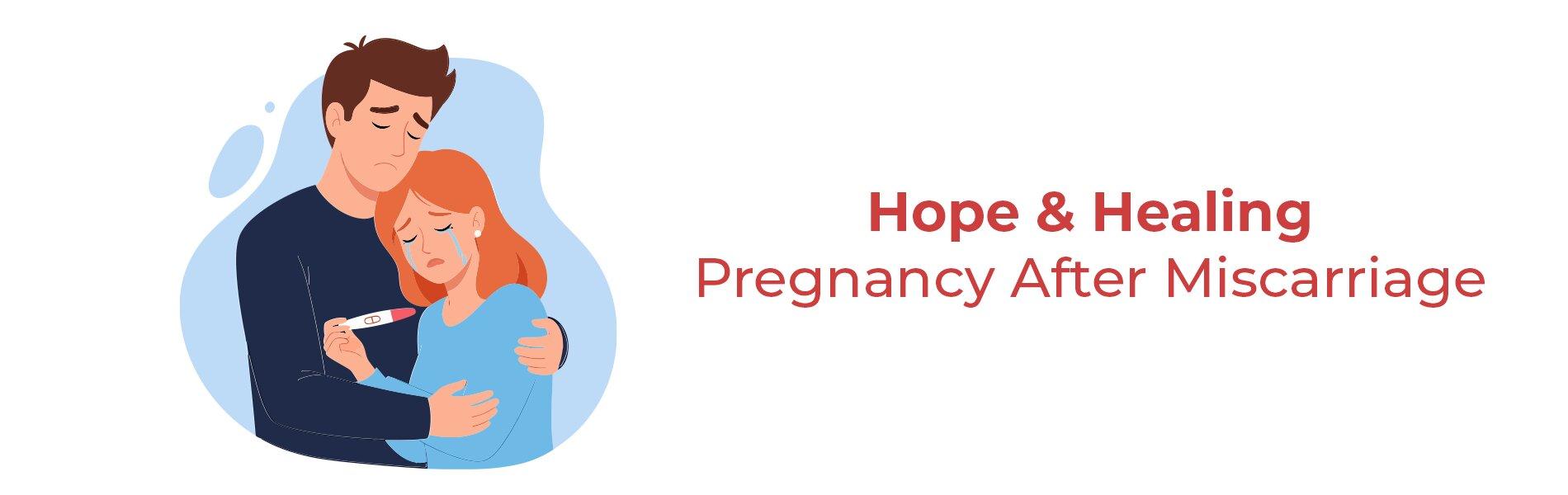
Pregnancy After Miscarriage: What You Need to Know Before Trying Again?
Pregnancy after a miscarriage feels like tiptoeing between hope and fear. After miscarrying, you’re left with many unanswered questions, lingering sadness, and a silent fear of what if? What if I miscarried again?
Here’s the reality. Yes, miscarriage sucks, but it doesn’t mean that you’ll struggle to have a healthy pregnancy in the future. With proper medical care, emotional support, and self-care, women can and do heal from their losses and go on to have happy, healthy pregnancies. It’s time to face the unknowns of your pregnancy questions head-on, acknowledge your loss and fears surrounding it, and learn how to overcome those fears because you can still get pregnant AND be a mother! <33 Let’s dive into your pregnancy questions.
What Are The Chances Of Having Another Miscarriage?
There isn’t a single “perfect” timeline for trying to conceive after a miscarriage. Every woman’s body and emotional journey are different. Still, many doctors suggest waiting a few months to give the body time to heal and to improve the chances of a healthy pregnancy. If conception happens before the body is ready, the risk of another miscarriage may be higher. The uterus needs time to recover, and the endometrial lining must rebuild its strength to support a new pregnancy. 1 2
From a medical perspective, it is generally considered safe to try again after two or three normal menstrual cycles, provided no further tests or treatments are required for the cause of the miscarriage. Some doctors recommend waiting six months to a year, not for physical reasons, but to allow couples the emotional space to process their loss.1 2
Chances of Miscarriage Happening Again?
It’s natural for couples who have experienced a miscarriage to worry about the future. The fear of it happening again can feel overwhelming. The good news is that most women go on to have healthy pregnancies after a loss. In fact, research shows that about 85% of women who experience one miscarriage will have a successful pregnancy next time, and even among those who have had two or three miscarriages, around 75% still go on to carry a baby to term. 1 2
When to See a Doctor Before Trying Again?
Your doctor may suggest meeting with a specialised doctor in areas such as maternal-fetal medicine, genetics, or reproductive health to improve your chances of a healthy pregnancy. 1 2
You might want to seek extra support if you have/are:
- Had two or more miscarriages
- Over the age of 35
- A health condition that could affect pregnancy (such as diabetes)
- Been facing fertility challenges
How Do We Decide When To Try Again?
Choosing the right time to try for another pregnancy is a deeply personal decision that only you and your partner can make. 1 2
If your miscarriage involves medical complications, it’s important to talk with your doctor first before making plans. They can guide you on when your body is ready and support you in preparing for a healthy pregnancy. 1 2
How Soon After a Miscarriage Can You Get Pregnant?
After a miscarriage, your next pregnancy may feel different. Ask for close monitoring. Request that your healthcare team closely monitor your pregnancy. 1 2
- Delay early preparations- Some couples prefer to wait until after the baby arrives to celebrate with baby showers or other events.
- Handle outside advice with care- Friends and family may offer suggestions because they care. Listen kindly, but follow what feels right for you, your partner, and your doctor.
- Expect mixed emotions- Your birth experience may bring joy but also stir memories of your loss. Grieving and celebrating can happen side by side.
- Parenting may feel different- Past loss can make you more anxious, especially if your baby is unwell or unusually quiet.
- Bonding may take time- You may feel cautious about connecting deeply with your baby until you’re sure they are safe and healthy.
- Seek support if needed- If you find yourself struggling, talk to your healthcare provider about counselling or support groups that can help you through this journey.
Will I have another miscarriage?
It’s normal to worry about this after experiencing a loss. Sadly, no one can promise that things will be different next time. 1 2
If you’ve had a miscarriage later in pregnancy (second trimester) or have had three or more miscarriages, it’s important to see a specialist. Your doctor can guide you through tests, explain possible causes, and talk about your chances of having a successful pregnancy in the future.
How Soon Will Your Period Return After Miscarriage?
If your cycles are usually regular, your next period will often come about 4–6 weeks after a miscarriage. It’s important to know that ovulation can happen before your first period, which means you may be fertile within the first month. If you’re not ready to try again right away, using contraception is a safe option. 1 2
For some women, it may take a few cycles before their periods settle back into their usual rhythm. This is completely normal, and your body simply needs time to recover and adjust. 1 2
How Can I Prepare for Pregnancy?
Preparing for pregnancy after a miscarriage is about giving both your body and mind the care they need. Healing takes time, but there are steps you can take to feel stronger and more confident as you move forward: 3 4
- Focus on physical recovery. Eat a balanced diet, stay active with gentle exercise, and make sure you’re getting enough rest. These small steps help your body rebuild strength. 5 6
- Schedule a check-up. Talk with your doctor about your health, any tests you may need, and whether your body is ready to support another pregnancy.
- Take prenatal vitamins. Folic acid and other essential nutrients can prepare your body for a healthy pregnancy. 7
- Care for your emotional well-being. Grief and anxiety are natural after loss. Consider counselling, support groups, or simply leaning on loved ones to help you process your feelings.
- Limit stress. Relaxation techniques like yoga, meditation, or journaling can help you feel calmer and more grounded. 8
- Plan together. Discuss your hopes and concerns with your partner so you’re both emotionally aligned and ready for the journey ahead.
Summing Up
Pregnancy after miscarriage is a journey of healing, patience, and quiet courage. The fear of another loss is natural, but one miscarriage does not define your future. Most women go on to have healthy pregnancies with the right medical care, emotional support, and self-care.
Take your time to heal physically and emotionally. Stay informed, follow your doctor’s guidance, and lean on your support system. It’s okay to move forward with hope while still honouring your loss.
Your body is capable, your feelings are valid, and your story is not over. When you feel ready, you can try again, gently, confidently, and with the belief that a healthy pregnancy is still possible for you.
References
+
Related Products
