

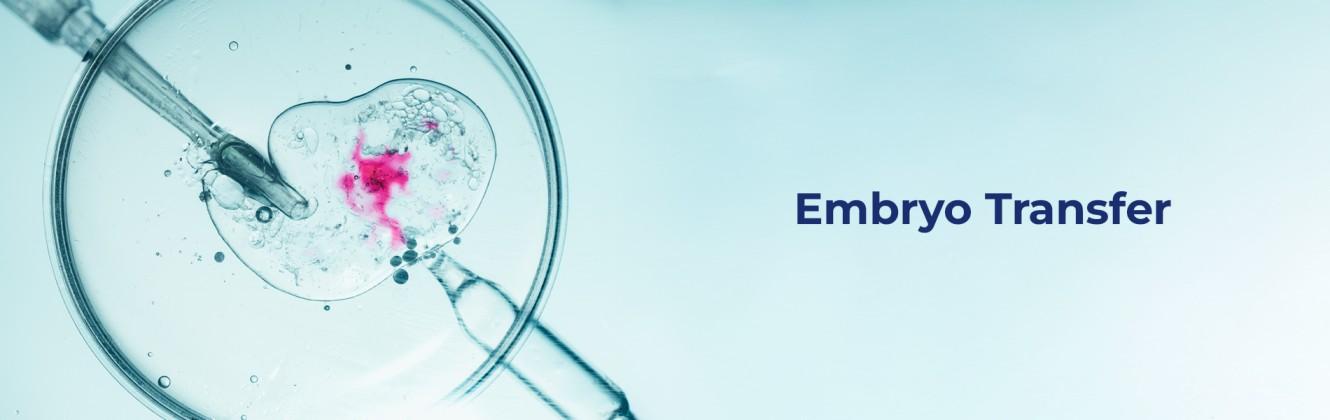
Embryo Transfer: The Complete Guide 2026
Are you thinking about undergoing IVF, yet have no idea how the embryo gets transferred to your uterus? You’re definitely not alone! Many couples who try to conceive via IVF often have questions regarding embryo transfer, if it hurts and how to get ready for the procedure. Indeed, embryo transfer is one of the most crucial steps of the IVF cycle since it involves transferring the embryo that was prepared with so much effort to your uterus in the hopes of conceiving. This article will tell you everything you need to know about the embryo transfer procedure, what to do before, during, and after it and possible complications.
Key Takeaways
- Embryo transfer is the final and one of the most important steps of the IVF process, where a fertilized embryo is placed into the uterus to achieve pregnancy.
- Fresh embryo transfer is usually performed 2–5 days after egg retrieval, while Frozen Embryo Transfer (FET) is scheduled based on the woman's menstrual cycle and uterine readiness.
- The procedure is quick, minimally invasive, and typically completed within 10–15 minutes without the need for anesthesia.
- During the procedure, a thin catheter and ultrasound guidance are used to accurately place the embryo inside the uterus.
- Most women experience little to no discomfort, although mild cramping or light spotting may occur temporarily.
- Serious complications are rare, making embryo transfer one of the safest stages of IVF.
What Is an Embryo Transfer?
Embryo transfer is one of the most essential steps in the entire IVF procedure, in which one or more fertilized eggs are transferred to the woman's womb with the purpose of getting pregnant. Embryo transfer for fresh IVF treatment cycles is carried out 2 to 5 days after the eggs are collected, when the eggs are fertilized and the embryos have grown in the lab.
In the case of frozen embryos, the embryo transfer is determined according to the menstrual cycle and the state of the womb of the woman. This procedure is called frozen embryo transfer (FET) and may be conducted in a subsequent cycle after thawing of the embryos.
Embryo transfer procedure is an easy one and is carried out without anesthesia. It is one of the last procedures in the whole IVF process.
Types of Embryo Transfers
There are two main types of embryo transfer used in IVF treatment.
Fresh Embryo Transfer
A fresh embryo transfer is performed during the same IVF cycle, usually 3 to 5 days after egg retrieval. The fertilized embryo is transferred into the uterus without being frozen. This option may be suitable for women with a healthy uterine lining and no risk of ovarian hyperstimulation syndrome (OHSS).
Frozen Embryo Transfer (FET)
A Frozen Embryo Transfer (FET) involves freezing the embryos after fertilization and transferring them in a later menstrual cycle. Before the transfer, the uterus is prepared with hormone medications to improve the chances of implantation. FET provides greater flexibility and is widely used in modern IVF because it allows the body more time to recover before pregnancy.
Your fertility specialist will recommend the most suitable type of embryo transfer based on your medical history and treatment plan.
Multiple vs. Single Embryo Transfer
One of the important decisions during IVF is choosing between a single embryo transfer (SET) and a multiple embryo transfer (MET).
Single Embryo Transfer (SET)
A single embryo transfer involves placing one healthy embryo into the uterus. It reduces the risk of twins or higher-order multiple pregnancies while still offering excellent pregnancy rates, especially when high-quality embryos are available.
Multiple Embryo Transfer (MET)
A multiple embryo transfer involves transferring two or more embryos during the same cycle. While this may increase the chance of pregnancy in some cases, it also increases the risk of twin or multiple pregnancies, which can lead to complications for both the mother and babies.
What Happens During Embryo Transfer?
Embryo transfer is a fast and non-invasive procedure that takes from 10 to 15 minutes. Generally, embryo transfer does not involve any anesthetic; however, sometimes the physician may prescribe some medication to make you relax before the procedure.
During embryo transfer, you should lie comfortably on the examination table. Speculum is inserted into the vagina in order to give your doctor an access to the cervix just like during regular pap tests. The cervix is cleaned first and then a thin and soft catheter is inserted through it and into the uterus.
Then, embryos chosen for implantation, along with a little amount of liquid, are put into uterus through this catheter. This procedure is guided by abdominal ultrasound in order to be sure about the right location of the embryo during its transfer.
After the procedure, you can stay resting for a while and go home. If the implantation occurs, then the embryo becomes attached to the uterus walls during the next few days.
Benefits Of Embryo Transfer
- Improves the chances of pregnancy by placing a healthy embryo directly into the uterus.
- A key step in IVF treatment that brings you closer to achieving pregnancy.
- Quick and minimally invasive procedure that usually takes only 10 to 15 minutes.
- Does not require surgery or general anesthesia, making it safe and comfortable for most women.
- Supports both fresh and frozen embryo transfers, giving flexibility based on your treatment plan.
- Allows selection of the healthiest embryo, which may improve implantation and IVF success rates.
- Requires minimal recovery time, allowing most women to return to normal activities on the same day.
- Performed under ultrasound guidance for accurate placement of the embryo in the uterus.
- Safe procedure with a low risk of complications when performed by an experienced fertility specialist.
- Offers hope to individuals and couples facing infertility by increasing the chances of a successful pregnancy.
What Are the Risks Associated with Embryo Transfer?
Embryo transfer has been recognized as the most risk-free part of the entire in vitro fertilization procedure. Women generally feel little pain, if any, and severe complications from this stage of the IVF process are highly unlikely to happen. Nonetheless, embryo transfer is still a medical procedure and involves some level of possible side effects and complications that should not be overlooked.
1. Painful Sensation
Some women might experience pain sensation during or right after the procedure. It usually consists of cramping or discomfort which should only last for a few hours. Also, light bleeding might be observed by some patients.
2. Challenges in Performing the Procedure
Sometimes, due to unusual cervical anatomy, embryo transfer can become difficult. In case of technical difficulties, your doctor might decide on additional measures in order to ensure successful embryo placement.
3. Possible Embryo Loss
The risk of embryo loss during the procedure is virtually non-existent because specialists use special catheters and ultrasound guidance during the transfer process.Embryo transfer is a relatively harmless procedure that comes with a very low probability of experiencing complications.
Embryo Transfer Preparation
To help ensure a smooth and successful embryo transfer, follow these preparation tips:
- Take all prescribed medications exactly as instructed, including hormone medications that prepare the uterine lining for implantation.
- Avoid caffeine on the day of the procedure unless your fertility specialist advises otherwise.
- Arrive with a comfortably full bladder, as this helps your doctor clearly visualize the uterus during ultrasound-guided embryo transfer.
- Wear loose, comfortable clothing to help you stay relaxed throughout the procedure.
- Reach the clinic on time to avoid unnecessary stress and allow enough time for preparation.
- Follow your doctor's instructions carefully before and after the procedure.
- Empty your bladder after the embryo transfer once your fertility specialist confirms the procedure is complete.
What to expect after embryo transfer
After an embryo transfer, most women can go home the same day and resume their normal daily activities. It is common to experience mild cramping, bloating, light spotting, breast tenderness, or tiredness over the next few days. These symptoms are usually temporary and may be caused by the procedure or the hormone medications used during IVF.
Take all your medications as prescribed and follow your fertility specialist's instructions carefully. Eat a healthy, balanced diet, drink plenty of water, and avoid smoking, alcohol, and strenuous physical activity.
Keep in mind that some women experience several symptoms, while others have none. This does not indicate whether the embryo transfer has been successful. The only reliable way to confirm pregnancy is through a beta hCG blood test, which is usually performed 9 to 14 days after the embryo transfer.
How much does an embryo transfer cost?
The cost of an embryo transfer depends on the fertility clinic, the type of transfer, and your individual treatment plan. In most cases, a fresh embryo transfer is included in the overall IVF package, while a Frozen Embryo Transfer (FET) is usually charged separately. Additional costs may include medications, ultrasound scans, blood tests, and embryo freezing or storage fees. Since every fertility journey is unique, the total cost can vary from person to person. Speak with your fertility specialist to understand the complete treatment costs and plan your IVF journey with confidence.
Factors Affecting Embryo Transfer Success
The success of an embryo transfer depends on several factors, including the quality of the embryo, the health of the uterus, and the woman's overall well-being. While no IVF treatment can guarantee pregnancy, understanding these factors can help improve your chances of a successful embryo implantation.
- Age: Younger women, especially those under 35, generally have higher embryo transfer success rates due to better egg quality.
- Embryo Quality: Healthy, well-developed embryos are more likely to implant successfully in the uterus.
- Uterine Lining: A thick, healthy uterine lining provides the ideal environment for embryo implantation.
- Overall Health: Maintaining a healthy weight, eating a balanced diet, and managing medical conditions can support better IVF success.
- Embryo Transfer Procedure: A carefully performed embryo transfer by an experienced fertility specialist can improve the chances of successful implantation.
Embryo Transfer Day-by-Day Symptoms
After an embryo transfer, every woman’s experience is different. Some may notice symptoms, while others may not. Both are completely normal.
Days 1–2:
The embryo begins settling in the uterus. You may have:
- Mild cramping
- Bloating
- Light spotting
Days 3–5:
The embryo may start attaching to the uterine lining. Some women may experience:
- Mild cramps
- Light spotting
- Breast tenderness
Days 6–9:
If implantation is successful, your body starts producing pregnancy hormones. You may notice:
- Tiredness
- Bloating
- Mild cramps
- Breast tenderness
Days 10–14:
Early pregnancy symptoms may appear, such as:
- Fatigue
- Nausea
- Frequent urination
- Mood changes
Final Thoughts:
Embryo transfer is a crucial step in the IVF process, marking the beginning of the implantation phase and bringing hopeful parents one step closer to pregnancy. Although the procedure is simple and generally painless, its success depends on several factors, including embryo quality, uterine receptivity, and following your fertility specialist's recommendations. Staying informed, preparing well, and maintaining a positive yet realistic outlook can make the journey less stressful. If you are planning IVF or have questions about embryo transfer, consult an experienced fertility specialist who can provide personalized guidance and help you maximize your chances of a successful pregnancy.
into the uterus to achieve pregnancy. It is the final stage of the IVF process and is usually performed 2–5 days after egg retrieval or during a frozen embryo transfer cycle.
Frequently Asked Questions (FAQs)
Q1. What is an embryo transfer in IVF?
Embryo transfer is a procedure in which one or more fertilized embryos are placed into the uterus to achieve pregnancy. It is the final stage of the IVF process and is usually performed 2–5 days after egg retrieval or during a frozen embryo transfer cycle.
Q2. Is embryo transfer painful?
Most women experience little to no pain during embryo transfer. The procedure is similar to a Pap smear, and some women may feel mild cramping or slight discomfort that usually resolves within a few hours.
Q3. How long does an embryo transfer take?
The embryo transfer procedure is quick and typically takes 10–15 minutes. After a short period of rest, most patients can return home the same day.
Q4. What should I do before an embryo transfer?
Before the procedure, take all medications as prescribed, avoid caffeine unless advised otherwise, arrive with a comfortably full bladder, wear comfortable clothing, and follow all instructions provided by your fertility specialist.
References
+
Related Products
Are You/Anyone In Your Family Expecting A Baby?
I authorise LifeCell International Pvt.Ltd & its representatives to contact me with updates and notifications via Email/SMS/WhatsApp/Call. This will override DND/NDNC.
