

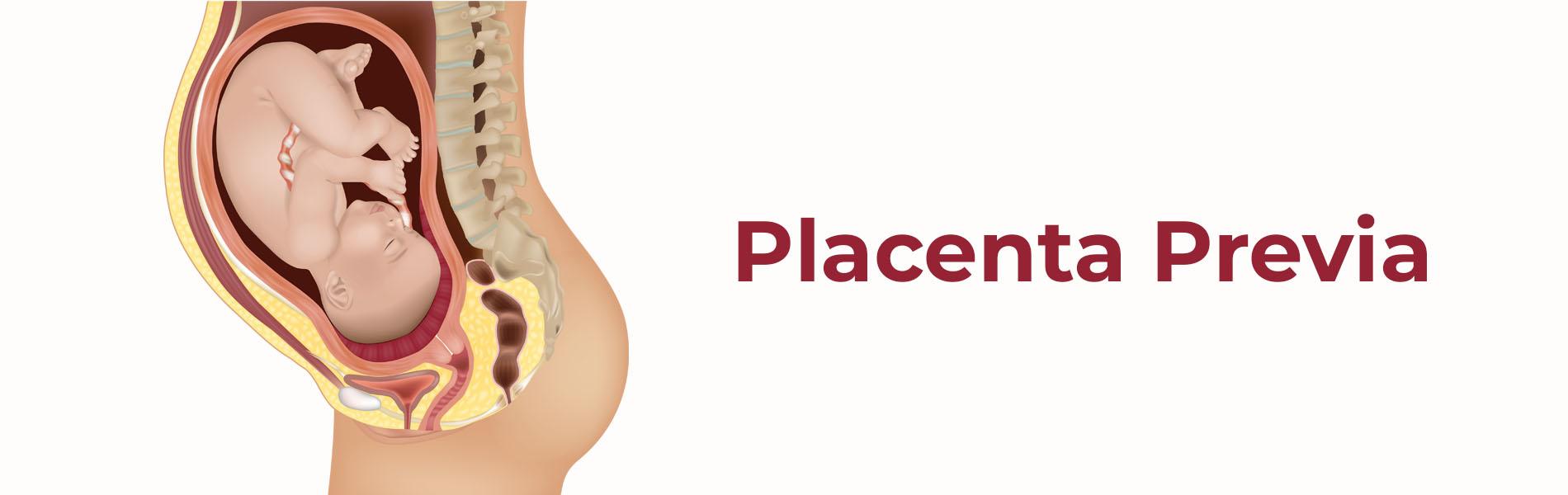
Placenta Previa: Symptoms, Causes & Treatments
Dear mom to be, hearing the word "placenta previa" during a prenatal check-up might be terrifying, especially when you haven't ever come across such a term before. As a matter of course, some of the questions that arise in your mind could be: Is my baby safe? Will I deliver through cesarean? Will the condition ever improve? The positive thing about placenta previa is that in case of early diagnosis and prenatal care, many women go through healthy pregnancy and delivery.
Here in this blog, we'll discuss the meaning of placenta previa, the signs of it, the causes, risk factors, diagnosis, treatments, and the experience of pregnancy. Whether you are newly diagnosed with the condition or just want to get familiar with it, here is a guide for you.
What Is Placenta Previa?
The placenta is a temporary organ that develops during pregnancy. It attaches to the wall of the uterus and serves as your baby's lifeline by delivering oxygen and nutrients while removing waste products from the baby's blood.
In a typical pregnancy, the placenta attaches to the upper or side portion of the uterus, leaving the cervix open for vaginal delivery.
With placenta previa, however, the placenta implants in the lower part of the uterus, where it partially or completely covers the cervix. As pregnancy progresses and the cervix begins to thin and open in preparation for labor, the placenta may separate from the uterine wall, leading to painless vaginal bleeding.
Because the placenta blocks the birth canal, placenta previa can make vaginal delivery unsafe in many cases and often requires delivery by cesarean section.
How Common Is Placenta Previa?
Placenta previa is relatively uncommon, affecting approximately 1 in every 200 pregnancies at the time of delivery. However, low-lying placentas are much more frequently seen during routine ultrasounds performed around 18 to 20 weeks of pregnancy.
In many cases, the placenta gradually shifts upward as the uterus enlarges during the second and third trimesters. This means that an early diagnosis of a low-lying placenta does not necessarily mean placenta previa will persist until delivery.
For this reason, your obstetrician may recommend follow-up ultrasounds later in pregnancy to monitor the placenta's position.
Types of Placenta Previa
The type of placenta previa depends on how much of the cervix is covered by the placenta.
1. Complete Placenta Previa
Complete placenta previa occurs when the placenta completely covers the cervical opening.
This is the most severe type because the baby cannot pass through the birth canal. Women with complete placenta previa generally require a planned cesarean delivery.
2. Partial Placenta Previa
In partial placenta previa, the placenta covers only part of the cervix.
Although there may still be some cervical opening, vaginal delivery is usually not considered safe if the placenta continues to obstruct the cervix close to delivery.
3. Marginal Placenta Previa
Marginal placenta previa means the placenta reaches the edge of the cervix but does not cover it.
As pregnancy progresses, some marginal placenta previas move farther away from the cervix, allowing for the possibility of a vaginal birth if there are no other complications.
4. Low-Lying Placenta
A low-lying placenta is located in the lower uterus but remains close to the cervix without covering it.
Unlike placenta previa, a low-lying placenta often resolves naturally as the uterus expands during pregnancy. Your healthcare provider will monitor its position with repeat ultrasounds to determine whether it has moved sufficiently away from the cervix.
What Are the Symptoms of Placenta Previa?
Some women with placenta previa experience no symptoms and discover the condition during a routine prenatal ultrasound. Others may develop symptoms that require immediate medical attention.
The most common symptoms of placenta previa are:
1) Bright Red Vaginal Bleeding
The bleeding often:
- Starts near the second half of pregnancy
- Can start, stop, then start again a few days later
2) Mild Cramping or Contractions
Some women may experience mild cramping or contractions in the abdomen, belly, or back.
The amount of vaginal bleeding can vary and may occur without pain.* Consult your doctor for appropriate guidance and evaluation.
What Causes Placenta Previa?
The exact cause of placenta previa is not fully understood. It develops when the fertilized egg implants in the lower portion of the uterus instead of the upper part.
As the placenta forms around the embryo, it remains attached to the area where implantation occurred. If implantation happens close to the cervix, the placenta may partially or completely cover the cervical opening.
Researchers believe several factors can influence where the embryo implants, but in most cases, there is no single identifiable cause.
Importantly, placenta previa is not caused by anything you did or did not do during pregnancy.
Who Is at Risk for Placenta Previa?
Placenta previa can occur in any pregnancy, but certain factors may increase your risk, including:
- Having one or more previous cesarean deliveries, as scar tissue in the uterus may affect where the placenta attaches in future pregnancies.
- A history of placenta previa in an earlier pregnancy, which increases the chances of it recurring.
- Previous uterine surgeries, such as fibroid removal (myomectomy), dilation and curettage (D&C), or other procedures involving the uterus.
- Carrying twins, triplets, or other multiples, as a larger placenta is needed and may extend into the lower part of the uterus.
- Pregnancy at 35 years of age or older
- Smoking during pregnancy, which is associated with abnormal placental implantation.
- Conceiving through in vitro fertilization (IVF), which may slightly increase the risk compared to natural conception.
How Is Placenta Previa Diagnosed?
Placenta previa is usually diagnosed during a routine prenatal ultrasound, even before symptoms appear. If you experience vaginal bleeding during pregnancy, your doctor may recommend additional tests to confirm the diagnosis.
Ultrasound
An ultrasound is the primary tool for diagnosing placenta previa. It may include:
- Transabdominal ultrasound to assess the baby's growth and placental position.
- Transvaginal ultrasound for a clearer and more accurate view of the cervix and placenta
Conclusion
Being diagnosed with placenta previa can be concerning, but it doesn't always mean your pregnancy will have complications. Advances in prenatal care and ultrasound technology allow doctors to identify the condition early and monitor it closely throughout pregnancy.
If you notice any vaginal bleeding, seek medical attention immediately rather than waiting for it to stop. With regular check-ups, timely treatment, and a personalized delivery plan, many women with placenta previa go on to have safe deliveries and healthy babies. If you have any concerns or questions, don't hesitate to discuss them with your obstetrician—they are your best source of guidance throughout your pregnancy.
Frequently Asked Questions
Q1) Can placenta previa go away on its own?
Yes. A low-lying placenta diagnosed early in pregnancy often moves away from the cervix as the uterus grows. However, complete placenta previa is less likely to resolve and requires close monitoring.
Q2) Is placenta previa dangerous?
Placenta previa can increase the risk of bleeding during pregnancy and delivery. With regular prenatal care and appropriate treatment, many women have healthy pregnancies and babies.
Q3) Will I need a cesarean section?
If the placenta continues to cover or partially cover the cervix near your due date, a cesarean section is usually the safest option. If the placenta moves away from the cervix, a vaginal delivery may still be possible.
Q4) Can I exercise if I have placenta previa?
It depends on your condition. Your healthcare provider may recommend avoiding strenuous exercise, heavy lifting, or certain activities, especially if you've experienced bleeding.
Q5) Can I travel with placenta previa?
Travel recommendations depend on the severity of your condition and whether you've had bleeding episodes. Always consult your healthcare provider before planning long-distance travel.
Q6) Does placenta previa affect the baby?
Placenta previa can increase the risk of premature birth if early delivery becomes necessary. With close monitoring and timely medical care, many babies are born healthy.
Q7) Can placenta previa happen again in a future pregnancy?
Yes. Having placenta previa in one pregnancy slightly increases the risk of developing it again. Your doctor will monitor future pregnancies closely.
References
+
Related Products
Are You Family Expecting A Baby?
I authorise LifeCell International Pvt.Ltd & its representatives to contact me with updates and notifications via Email/SMS/WhatsApp/Call. This will override DND/NDNC.
