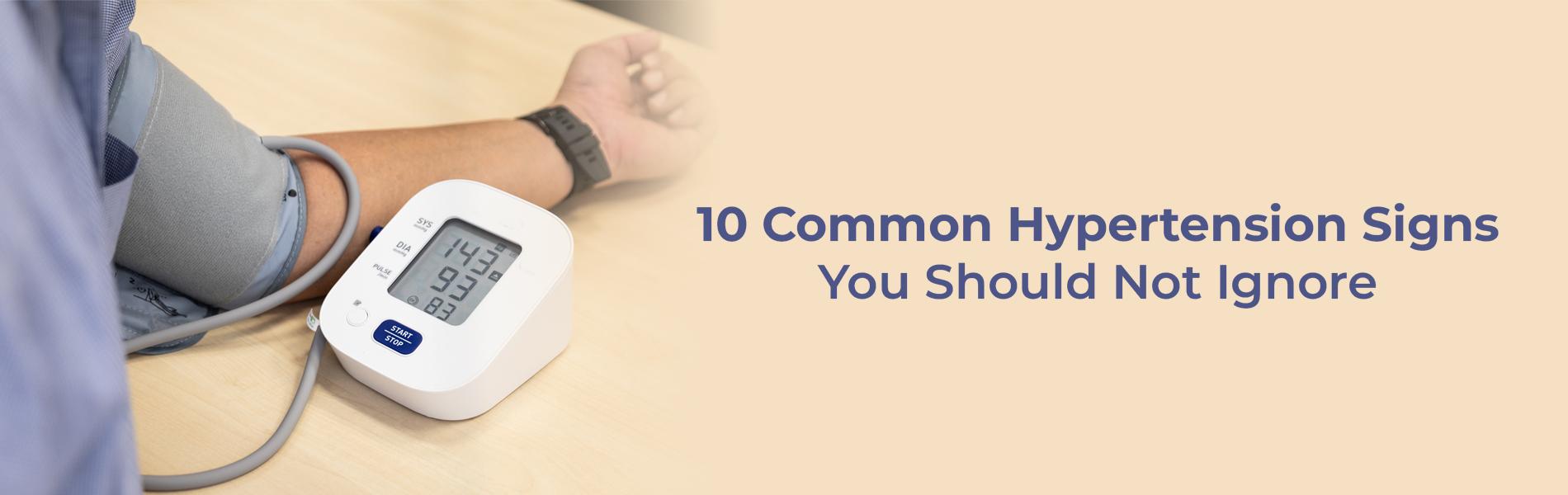
10 Common Hypertension Signs You Should Not Ignore
Almost one-third of all adults living in India suffer from high blood pressure.1
The sad reality is that many of them are not even aware that their blood pressure is above normal levels. The obvious reason is that there are few visible symptoms of high blood pressure in the initial stages.
So unlike a fever or an infection that gives off clear signals from an early stage, an elevated blood pressure continues to silently damage your vital organs for years without you even realising it. But at the same time, if you pay attention, you can definitely notice some subtle signs that could tell you that your blood pressure might be high.
In this blog, we’ll be uncovering the 10 hypertension signs that you should never ignore. Continue reading!
Summary
- Hypertension often develops without obvious symptoms, making regular screening essential.
- Warning signs can include headaches, blurred vision, shortness of breath, chest pain, dizziness, and fatigue.
- Risk factors include age, family history, obesity, high salt intake, smoking, diabetes, and physical inactivity.
- Seek medical attention if your blood pressure remains elevated or you experience concerning symptoms.
- Early detection and lifestyle changes can help prevent serious complications like heart attack, stroke, and kidney disease.
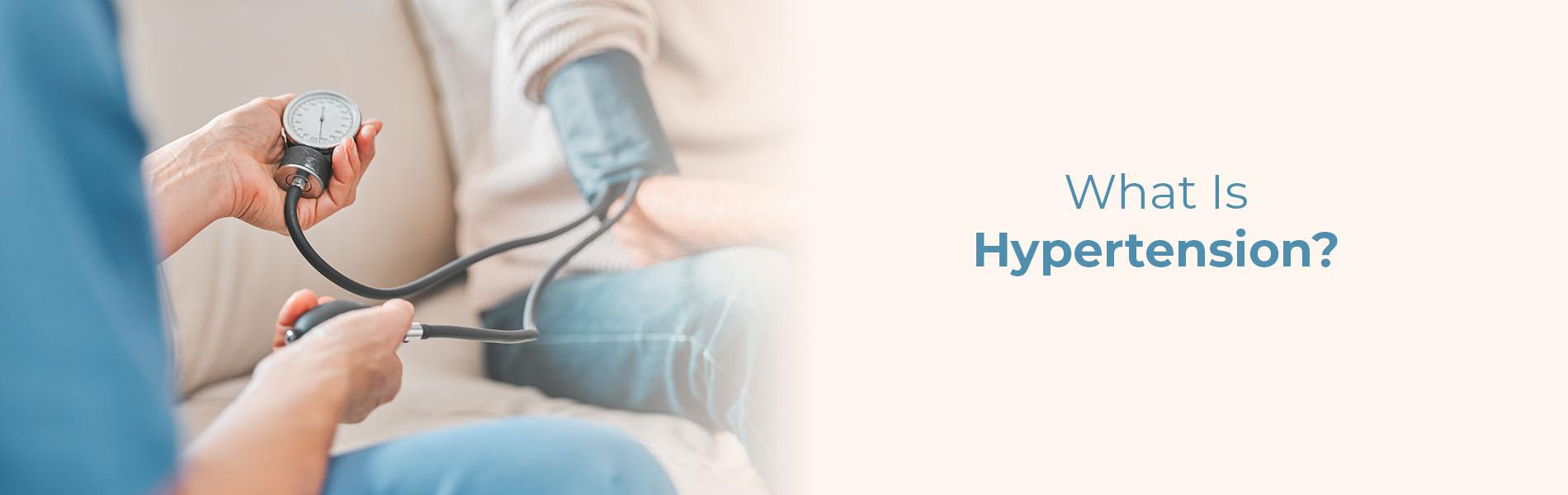
What Is Hypertension?
Hypertension, or high blood pressure, occurs when the force of blood against your artery walls stays consistently elevated. A blood pressure reading of 130/80 mmHg or higher is generally considered hypertension.2
Over time, uncontrolled hypertension increases your risk of heart attack, stroke, heart failure, kidney disease, and vision problems. Since it often causes no symptoms, regular blood pressure monitoring is essential.
The 10 Hypertension Signs
While many people experience no symptoms, the following signs should never be ignored:3, 4
1. Frequent Headaches
Persistent headaches, especially in the morning, may occur when blood pressure becomes very high. While headaches have many causes, recurring episodes of the same deserve attention.
2. Shortness of Breath
Feeling breathless during normal everyday activities can be a sign that your heart is under strain from uncontrolled blood pressure.
3. Blurred or Changed Vision
High blood pressure can damage blood vessels in the eyes.This may lead to blurred vision, double vision, or sudden visual changes.
4. Chest Pain
Chest discomfort should always be taken seriously. It may indicate reduced blood flow to the heart or a hypertension-related emergency.
5. Heart Palpitations
A racing heart or an irregular heartbeat can sometimes accompany uncontrolled hypertension. So if you notice such palpitations, you must get yourself evaluated by a doctor.
6. Frequent Nosebleeds
Occasional nosebleeds are common. But repeated unexplained nosebleeds may occur in some people with severely elevated blood pressure.
7. Unusual Fatigue
Feeling tired despite adequate rest can sometimes be linked to cardiovascular strain, which is caused by prolonged hypertension.
8. Dizziness or Lightheadedness
Frequent dizziness should not be ignored, especially if it occurs alongside other symptoms such as headaches or vision changes.
9. Weakness, Numbness, or Difficulty Speaking
These may be signs of a stroke, which is one of the most serious complications of uncontrolled hypertension. You need to seek emergency medical care immediately if you notice any of these.
10. Reduced Exercise Capacity
If climbing stairs or performing routine physical activity suddenly feels harder than usual, high blood pressure may be affecting your heart health.
Who Is at Higher Risk?
You may have a higher risk of developing hypertension if you: 5
- Have a family history of high blood pressure
- Are overweight or obese
- Consume excess salt
- Lead a physically inactive lifestyle
- Smoke or use tobacco products
- Drink alcohol excessively
- Have diabetes, kidney disease, or high cholesterol
- Experience chronic stress or poor sleep quality
When to See a Doctor
Schedule a medical consultation for high blood pressure if you have:
- Repeated blood pressure readings above 130/80 mmHg
- Any of the warning signs listed above
- Multiple risk factors for hypertension
- A family history of heart disease or stroke
If your blood pressure is above 180/120 mmHg and you experience symptoms such as chest pain, shortness of breath, vision changes, weakness, or difficulty speaking, you must immediately visit your doctor.
How to Check & What to Do Next
Because high blood pressure can be asymptomatic, regularly checking your blood pressure is the only reliable option. Additionally, you should get routine testing done to check your heart health. Consider the Ayushman Hypertension Care package by LifeCell Diagnostics. The panel includes 59 tests and helps detect cardiovascular risks early so that you can manage your heart health.
Additionally, simple lifestyle changes such as reducing salt intake, maintaining a healthy weight, exercising regularly, quitting smoking, and managing stress can also help you significantly improve high blood pressure.
Note: For personalized advice on hypertension management, you must consult your doctor.
Conclusion
Hypertension is often called the "silent killer" for a reason. Many people feel completely healthy, while high blood pressure quietly damages vital organs. Although symptoms such as headaches, shortness of breath, blurred vision, and chest pain can occur, the most reliable way to detect hypertension is through regular screening.
If you've noticed any warning signs or haven't checked your blood pressure recently, now is the time. Because early detection and timely treatment can help prevent serious complications and protect your long-term health.
FAQs
Can Stress Cause Hypertension?
Stress can temporarily raise blood pressure and may contribute to unhealthy habits such as poor diet, smoking, or lack of exercise. Chronic stress is considered a contributing risk factor, although it is not usually the sole cause of hypertension.
What Are The 4 Stages Of Hypertension?
According to current blood pressure classifications, the 4 stages of hypertension include:
- Stage 1 hypertension (130 – 139 or 80 – 89)
- Stage 2 hypertension (140 or higher or 90 or higher)
- Severe hypertension (higher than 180 and/or higher than 120)
- Hypertensive emergency (higher than 180 and/or higher than 120)
How Can I Lower My Blood Pressure?
You can help lower blood pressure by:
- Reducing salt intake
- Exercising regularly
- Maintaining a healthy weight
- Eating more fruits and vegetables
- Quitting smoking
- Limiting alcohol consumption
- Managing stress
- Taking prescribed medications as directed
References
+
Related Posts

Related Products
Are You Family Expecting A Baby?
I authorise LifeCell International Pvt.Ltd & its representatives to contact me with updates and notifications via Email/SMS/WhatsApp/Call. This will override DND/NDNC.
