

7 Signs You Need a Malaria Test Immediately
Malaria, a life-threatening but curable disease, is caused by Plasmodium parasites transmitted by the bites of infected Anopheles mosquitoes, particularly in tropical environments. In fact, it is known that over half a million deaths occur due to malaria every year, especially amongst children aged under 5 in sub-Saharan Africa.
India, however, has moved out of the high-impact group of the disease; malaria still stands a chance to occur in certain states. More than 95% of the Indian population resides in malaria-endemic areas, where over 80% of malaria cases are reported in the country, with 20% of the population residing in inaccessible tribal or hilly areas. This has made early detection more important than ever.
While there have been attempts made in India to eradicate malaria, you must know the most common signs and symptoms to check if you must take a malaria test. In this blog, we will explore all about Malaria, the symptoms of malaria, the best time to consider taking a malaria test and how you can prepare for it. Read along to also understand the importance of early testing and the ways to prevent and avoid malaria.
Key Takeaways
- Malaria is a serious but treatable disease that is caused by the Plasmodium parasite, transmitted through infected Anopheles mosquito bites.
- Malaria does not spread from one person to another.
- Early testing is very important in malaria as it can be asymptomatic at first but progress rapidly to severe complications like seizures, organ failure or even death.
- Symptoms can mimic a flu with symptoms like high fever, chills and fatigue.
- Watch for the warning signs like a sudden fever, shivering, and excessive sweating.
- After the symptoms appear, testing should not be delayed, especially if you have recently travelled to a malaria- endemic area.
- Delayed diagnosis of malaria can lead to severe conditions like cerebral malaria and respiratory diseases.
- Prevention is also key, including mosquito repellents, timely testing and preventing travel to high-risk areas.
- Pregnant women and young children are considered a high-risk group. They must be extra cautious and consider immediate testing if symptoms appear.
What Is Malaria & Why Early Testing Matters?
Malaria is a disease caused by a parasite that can be transmitted to humans through the bites of infected mosquitoes. People who have malaria usually feel very sick with high fevers, shivers and weakness. Plasmodium parasites cause the disease, which enters the human bloodstream through a mosquito bite. Malaria does not spread between humans. They spread only when an infected female anopheles mosquito bites. When not treated on time, the infection can progress rapidly to severe conditions like seizures, coma or even death.
Whether you are exposed to mosquito bites or have recently travelled to a high-risk area, timely detection can make a big difference. Here's why early testing is more important than you think.
Malaria can be asymptomatic in its initial phase. A diagnostic test in such cases can help you get clarity on the treatment on time and give you peace of mind.
- Early Malaria testing can help prevent severe illness and even death for some people.
- Symptoms of malaria progress rapidly from mild to severe, which can create fatal complications if left undiagnosed
- Early testing can speed up the treatment and administration of antimalarial drugs
- Malaria test on time can also help save other people around you from the infection
7 Signs You Need a Malaria Test Immediately
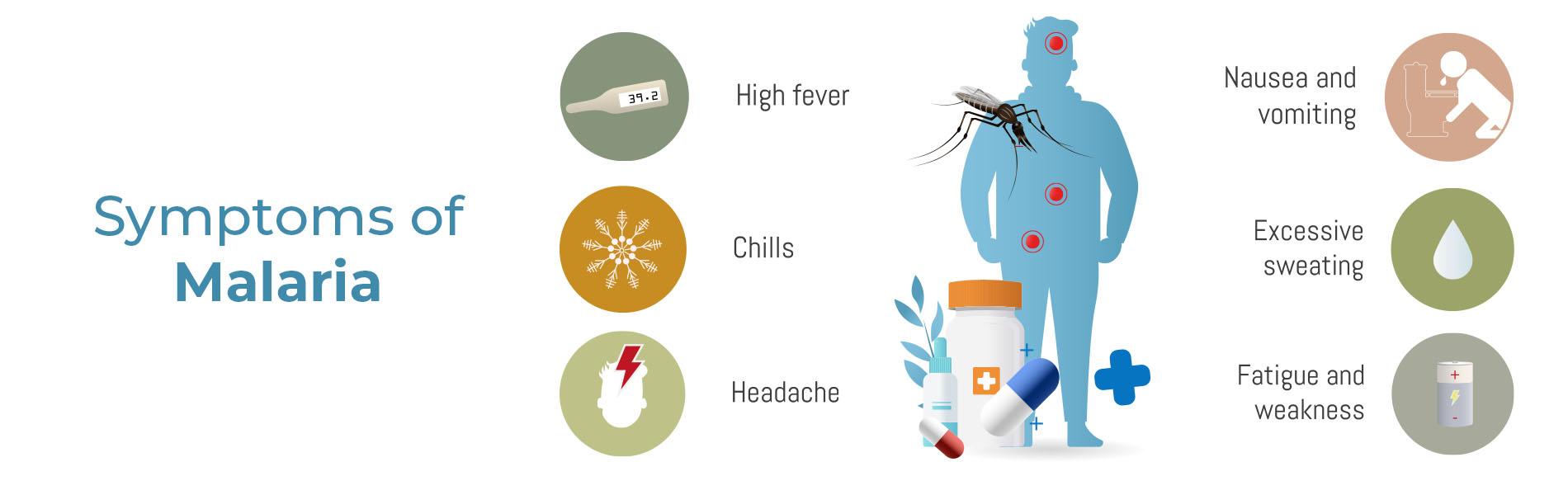
You should get a malaria test if you witness symptoms like fever, chills, headaches and muscle cramps. This is because the symptoms of malaria are quite similar to those of severe flu, where your red blood cells are attacked by the parasite.
1. Sudden high fever
A high fever, suddenly reaching 100.4° F or higher, is one of the most common signs of malaria.
2. Shivering along with chills
A high fever can be accompanied by intense chills and uncontrollable shivering, even when the person is sitting in a warm environment, which can indicate the start of a malaria infection.
3. Excessive sweating
Malaria is often linked with cycles of fever and chills followed by heavy sweating as the fever breaks.
4. Headache and body pain
Constant headaches along with muscle and joint aches are common symptoms that you must not ignore.
5. Digestive issues
Many people face digestive issues like nausea, vomiting and diarrhoea combined with fever, which can be a sign of your body fighting the infection.
6. Fatigue
People suffering from malaria usually feel tired, weak or drained, even without being involved in a physical activity. This can be an early warning sign for malaria.
7. Flu-like symptoms that refuse to improve
If you have been experiencing symptoms similar to a flu with fever, chills and body aches that worsen over a couple of days, it is important to get a diagnostic test to rule out malaria.
Some people also experience the symptoms of malaria in cycles, which is generally termed as "attacks." These attacks start with shivering and chills, followed by a high-grade fever coupled with sweating that slowly reduces to normal body temperature.
When Should You Get Tested for Malaria?
You should get tested for malaria as soon as you spot symptoms like fever, chills, headaches, accompanied by digestive distress right after travelling to a malaria- endemic area within the last few months. Prompt testing for malaria can help you diagnose the stage of the disease and get relevant treatment.
You should get a malaria test done immediately if you:
- Develop a fever within 12 months of returning from a malaria endemic area
- Spot all common symptoms of malaria that grow serious with time
Seek emergency care if you experience severe symptoms like confusion, respiratory difficulty or seizures
Disclaimer: If you suspect your symptoms are related to malaria, seek immediate care and get a malaria test done.
Risks of Delaying a Malaria Test
Delaying a malaria test can cause the symptoms to progress rapidly from a curable disease to severe, life-threatening complications. According to medical guidelines, people are generally recommended to take the test and get treated within 24 hours of the onset of the symptoms.
Key risks of delaying a malaria test can include:
- An untreated infection can lead to the progression of symptoms
- Prolonged infection can lead to organ damage and turn into cerebral malaria (swelling of the brain with seizures or coma) and kidney or liver failure
- Delaying a test can also cause severe respiratory distress
- Delayed diagnosis can increase the mortality risk
- Misdiagnosis or self- medication without a diagnostic test can also lead to worsening symptoms
- Individuals who remain undiagnosed can infect other people and increase the chances of transmission by mosquitoes
- Delaying tests for pregnant women or children under the age of 5 years can be a high risk
How to Prepare for a Malaria Test
There is no special preparation needed for a malaria test. The test is simple and involves taking a blood sample from a finger prick or an arm vein to detect the presence of the parasite. The main preparation tips for a malaria test include:
- No fasting needed!
- You might be required to mention your current medication, if you are on any
- While parasites are the highest during an active fever, you must get tested immediately if you notice a high fever in cycles
- You will be asked to provide details of your recent travel, if any. Specifically, if you travelled to regions where malaria is very common
Prevention Tips to Avoid Malaria
The tips to prevent malaria include a combination of protecting yourself from mosquito bites and taking antimalarial medication on time. The following tips can help you prevent malaria.
- Get a malaria test done early so that your medication starts on time
- Use insect repellent containing DEET, Picaridin or Lemon Eucalyptus oil
- Wear protective clothing for maximum protection
- Use mosquito nets to keep yourself and your family safe
- Use nets on your windows and keep them closed to ensure mosquitoes do not enter your home
- Get the antimalarial vaccine before visiting an endemic zone to keep yourself safe
Can You Book a Malaria Test Online?
Yes, it is easy to book a malaria test online. You can book a malaria test using a diagnostic lab website or mobile applications that feature rapid and accurate tests for malaria in as little as 60 minutes. There are several providers available that offer online malaria antigen tests. LifeCell Diagnostics provides various tests for malaria, including the Malaria Antigen Rapid test and a Fever Advanced Panel, which tests for malaria, dengue and typhoid.
You can book the Malaria Antigen Rapid test directly on the website by selecting your preferred package. LifeCell provides home sample collection, which makes it convenient for people who have not been feeling well. They even provide digital reports with a quick turnaround of 10 hours.
FAQs
1. What are the early warning signs of malaria?
Early warning signs of malaria include:
- High fever and chills
- Severe fatigue and headaches
- Muscle cramps and general body aches
- Vomiting, Diarrhea or even nausea
- Rapid heartbeat and faster breathing rate
- Cough
- Abdominal pain
- Just a general feeling of discomfort
2. Which organ is mostly affected by malaria?
The spleen is affected the most during malaria as it acts as the primary filter for infected RBC's, which can also lead to its enlargement. While the liver is the first site of infection, severe malaria causes critical damage to the spleen. The brain, kidneys and lungs are also affected when you have malaria.
3. How can I confirm if I have malaria?
To confirm that you have malaria, you can take the Malaria Antigen Rapid test, which can rule out the presence of the parasite.
References
+
Related Posts

Related Products
Are You Family Expecting A Baby?
I authorise LifeCell International Pvt.Ltd & its representatives to contact me with updates and notifications via Email/SMS/WhatsApp/Call. This will override DND/NDNC.
