


BRCA Testing for Breast & Ovarian Cancer Risk: Is It Worth It?
Imagine watching your mother, aunt, or sister battle breast cancer, and wondering if you’re next. That fear is not just anxiety but a very real genetic risk for some. If cancer runs in your family, then you have probably heard about BRCA testing.
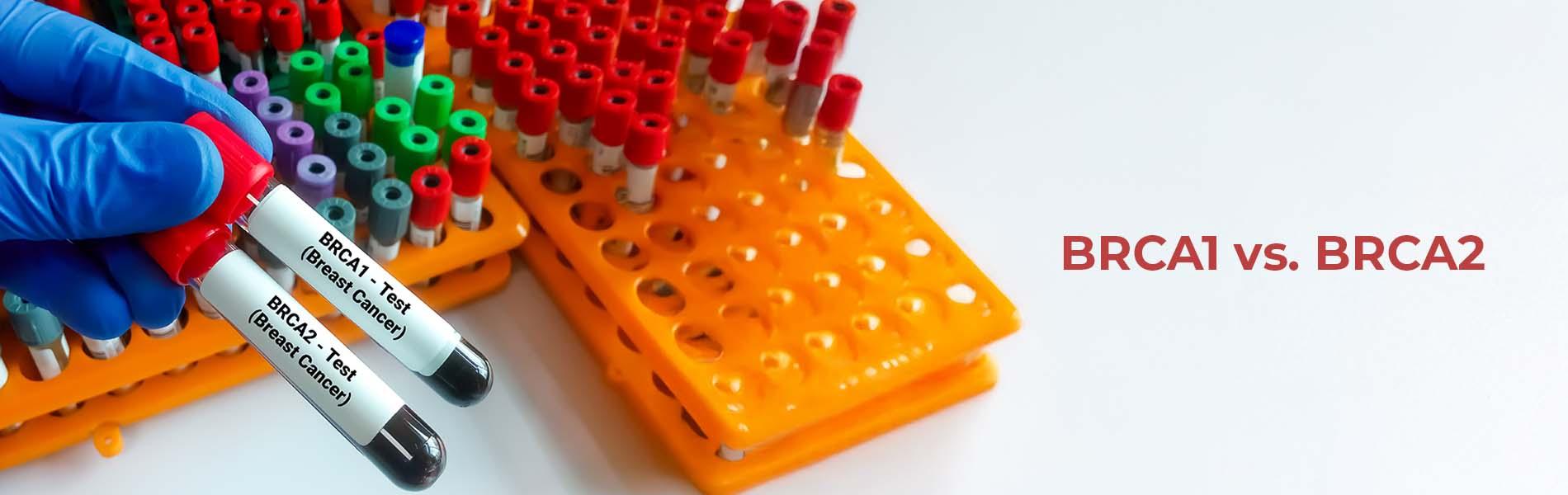
The BRCA test is a simple genetic test that identifies harmful genetic changes in your BRCA1 and BRCA2 genes that dramatically increase the risk of breast and ovarian cancer.1 If you have a genetic risk, it is recommended to get the BRCA testing done for early detection, preventive measures and timely treatment. This blog further educates you on who needs this test and whether it is actually worth getting it done.
Key Takeaways
- BRCA testing detects inherited mutations in BRCA1/BRCA2 that significantly raise breast and ovarian cancer risk.
- Women with BRCA mutations face up to 45–85% breast cancer and 15–46% ovarian cancer risk.
- Mutations are hereditary; each child has a 50% chance of inheriting them.
- Linked cancers include breast, ovarian, pancreatic, prostate, and male breast cancer.
- Benefits: early detection, preventive surgeries, targeted therapies, and informed family planning.
- Limitations: not all cancers are hereditary; emotional impact; uncertain variants are possible.
- Recommended for high-risk individuals with strong personal or family history.
- In India, testing costs ₹8,000–₹50,000 depending on panel type.
What Is BRCA Testing?
BRCA testing is a genetic test that identifies harmful mutations in your BRCA1 and BRCA2 genes. These genes manufacture proteins that repair damaged DNA and prevent uncontrolled cell growth. The mutations prevent them from doing their task properly. 1, 2
The BRCA test uses a blood sample, saliva or cheek swab to test for the mutations, and the results typically arrive within a few weeks.
Why Do BRCA Mutations Matter?
As per data shared by The National Cancer Institute, people who inherit a harmful BRCA1 or BRCA2 mutation have a higher chance of developing certain cancers: 3
- In the general population, about 13% of women will get breast cancer.
- But for women with a BRCA1 or BRCA2 mutation, the risk rises to over 60%.
For ovarian cancer:
- Women with a BRCA1 mutation have about a 39–58% lifetime risk.
- Women with a BRCA2 mutation have about a 13–29% risk.
- In comparison, the general population risk is only 1.1%.
People with BRCA mutations usually develop cancer at younger ages than those without such variants. Typically, those with BRCA mutations may get breast or ovarian cancer. But, as per the Journal of Clinical Oncology, these mutations also increase the risks for pancreatic cancer, male breast cancer or stomach cancer. 4
What Cancers Are Linked to BRCA Mutations?
BRCA mutations increase risk for several cancers:
- For Women: Breast cancer, ovarian cancer, fallopian tube cancer, primary peritoneal cancer, and pancreatic cancer.
- For Men: Male breast cancer - Men with BRCA2 gene changes have a 1 in 10 chance they’ll have male breast cancer. Other than that, they also have a prostate and pancreatic cancer risk.
Benefits of BRCA Testing
High-risk individuals can benefit greatly from BRCA testing, which helps them make informed health decisions and initiate treatment plans early.
A BRCA examination:
- Determines whether you have a BRCA1 or BRCA2 mutation that raises your risk of developing a specific cancer.
- Allows you to get ready for the future by scheduling more frequent or, if needed, earlier checkups.
- Allows you to consider reducing your risks if you have the gene.
- Gives your family members vital information; they might decide to get tested as well.
- Assists you and your physician in determining if a more comprehensive genetic panel, which includes genes other than BRCA1/BRCA2, is necessary or not.
Limitations & Considerations
There are several limitations of the BRCA test:
You Don’t Get 100% Accuracy - The genetic testing for BRCA1 and BRCA2 may miss around 15% of mutations, meaning it is not a completely reliable test result and does not totally rule out hereditary cancer risk.
Limited Knowledge of Family History - Individuals with fewer female relatives may have less mutation information, making interpretation very difficult. 5
Variants of Uncertain Significance (VUS) - Roughly 5-10% of tests give inconclusive results, meaning the genetic changes could not be clearly classified as benign or harmful. 6
Technical Detection Limitations - Next-generation sequencing methods cannot fully detect large genomic rearrangements and copy-number variants smaller than 200 base pairs. 7
Gaps Present in Self-Test Kits - There are some home test kits available for screening that only screen for three Ashkenazi Jewish founder mutations. These can easily miss over 1,000 other known BRCA variants, thereby providing false positives. 8
Who Should Get the BRCA Test?
BRCA testing is recommended if you have:
- Breast cancer diagnosed before age 45
- Ovarian cancer at any age
- Triple-negative breast cancer before age 60
- Family history of BRCA mutations
- Multiple family members with breast, ovarian, prostate, or pancreatic cancer
- Ashkenazi Jewish ancestry with family cancer history
For people without these risk factors, testing generally isn't recommended. Before deciding, consult a genetic counsellor who can assess your personal and family history.
What Happens If You Test Positive?
A positive result simply indicates that you have a higher risk of developing cancer, so you should exercise greater caution. To detect any issues early, you will begin receiving routine health examinations earlier than most people, including mammograms, breast MRIs, and ovarian cancer screenings.
Your risk of developing cancer may be considerably reduced by the preventive procedures or drugs your doctor recommends. A genetic counsellor will also assist you in understanding your results, making the best health decisions, and figuring out how to tell your family members who may also be at risk.
Cost of BRCA Testing in India
In India, BRCA testing is now more accessible, with costs generally ranging from ₹10,000 to ₹30,000. The price may vary based on the type of test panel chosen and whether additional genes are included. Some labs also offer genetic counselling support as part of the package, which can help you understand your results better. 9, 10
Conclusion
BRCA testing is a useful tool to understand your inherited cancer risk and make informed health decisions. It assists in directing your individual treatment plans, prevention strategies, and screenings for people with inherited or relevant personal cancer risk. A physician or genetic counsellor can assist you in making the best choices.
If you're at high risk, BRCA testing through reliable services like LifeCell's BRCA1 & BRCA2 Gene Analysis provides comprehensive genetic analysis and expert counselling for personalised cancer prevention steps.
FAQs
1. What is a BRCA test?
A BRCA test is a genetic test that looks for dangerous mutations in the BRCA1 and BRCA2 genes in your DNA. It assists in identifying people who are at high risk for breast, ovarian, and other cancers by using a cheek swab, saliva, or blood sample.
2. What is the cost of the BRCA test in India?
BRCA testing in India costs ₹8,000 to ₹30,000 for basic analysis. Costs vary based on test type, laboratory, and insurance coverage.
3. Who is eligible for the BRCA test?
You should consider testing if you have breast cancer before age 45, ovarian cancer at any age, triple-negative breast cancer before 60, multiple family members with breast/ovarian/pancreatic cancer, known BRCA mutations in your family, or Ashkenazi Jewish ancestry with cancer history.
References
+
Related Posts

Related Products
