

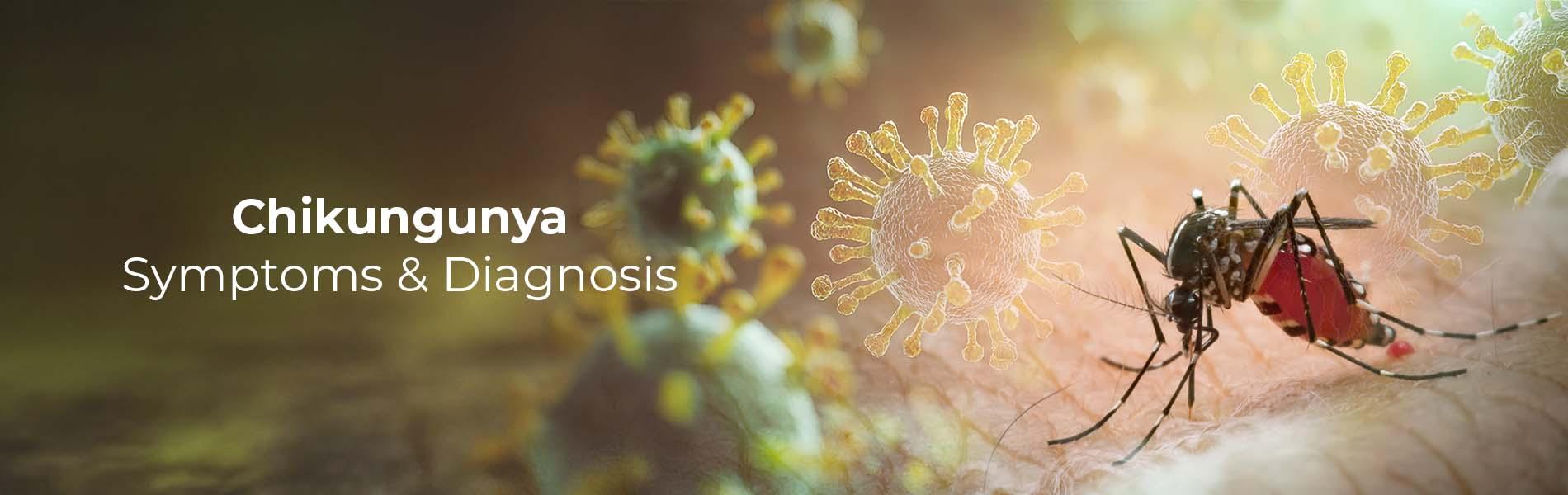
Chikungunya: Symptoms, Diagnosis, and Recovery Tips
Every year, as the rains arrive, so do the risks that hide in stagnant water and buzzing mosquitoes. Chikungunya is one of those silent threats that often sneaks in, leaving people with intense joint pain, high fever, and days of exhaustion.1 What makes it tricky is how easily chikungunya symptoms can mimic common flu or other viral fevers.2 That’s why awareness is your shield.
In this blog, we’ll walk you through everything you need to know about chikungunya symptoms, diagnosis and recovery tips. So keep reading!
What is Chikungunya?
Chikungunya is a virus that spreads through infected female Aedes albopictus mosquitoes. It is the same species that can transmit dengue. The infection of chikungunya occurs only when a mosquito carrying the virus bites a person. After the bite, symptoms usually appear within 3 to 7 days, which may include a high fever, chills, severe joint pain, headaches, and fatigue. These symptoms can last from a few days to several weeks.
However, it’s important to note that Chikungunya does not spread through casual contact, touch, or saliva. In rare cases, it may also spread through infected blood (such as during a transfusion).
Common Symptoms of Chikungunya

As mentioned earlier, chikungunya symptoms usually show up 3–7 days after a mosquito bite. And when mosquitoes bite, they hit hard. The severity of symptoms can vary for each person, depending on their immunity. Here are a few common symptoms to be aware of:
- High fever
- Swollen and painful joints
- Headaches and muscle aches
- Red rashes on the skin
- Fatigue and constant tiredness
- Nausea or vomiting
Diagnosis of Chikungunya
Since chikungunya symptoms can look a lot like dengue or even seasonal flu, that is why testing becomes crucial. It’s not enough to rely on symptoms alone; only proper diagnostic tests can confirm whether it’s chikungunya or something else. So, what kind of tests are usually done to diagnose chikungunya? Let’s take a closer look.
Types of Test to Diagnose Chikungunya
When you visit a doctor with suspected chikungunya symptoms, the first thing they’ll do is review your travel history and any recent exposure to mosquitoes. This helps them assess the chances of chikungunya.
Once the doctor gathers this information, they would recommend blood tests. These tests are crucial for confirming the infection and include:
1. RT-PCR Test (Reverse Transcriptase Polymerase Chain Reaction)
This is the most reliable test to rule out infection at its early stages. The test helps detect the genetic material (RNA) of the chikungunya virus in the blood. Thus, the test allows doctors to confirm the presence of infection.3
2. IgM & IgG Antibody Tests
When the body fights the infection, it produces antibodies. Here, the IgM test detects recent infections that appear within 6 to 8 days after first symptoms.4 On the other hand, the IgG test is used to diagnose recent or past Chikungunya virus infection. These tests help doctors understand how your body is responding to the virus.5
When is Testing for Chikungunya Necessary?
Chikungunya is generally transmitted through infected mosquitoes, so it’s important to consider getting tested if:
- You’ve travelled to areas where chikungunya cases are on the rise.
- You live in mosquito-prone areas.
- You’re experiencing symptoms like fever, joint pain, or rashes.
- The sooner you get tested, the quicker you can get diagnosed, start treatment, and recover fastly.
What Is the Cost of a Chikungunya Test in India?
The cost of a chikungunya test usually varies depending on the diagnostic centre and the type of test your doctor recommended. Some centres may offer a specific test based on your symptoms and situation. But LifeCell Diagnostics offers more comprehensive fever panels that include tests for multiple infections like Malaria, Typhoid, Dengue & Chikungunya at affordable prices.
If visiting a lab is difficult, you can book your test online for a home sample collection. A professional phlebotomist can collect your blood sample at home and deliver the reports securely online.
Management & Recovery Tips for Chikungunya

As such, there is no specific antiviral treatment for chikungunya infection. The only option is to manage its symptoms, which helps in the recovery process.
Here are some tips that can help you manage chikungunya symptoms:
Take Enough Rest: Resting helps your body fight the infection and improve your immune system, allowing you to recover faster.
Stay Hydrated: Drinking plenty of water helps prevent dehydration and makes you feel more energised.
Take Medications: Follow your doctor's advice and take pain relievers, if required, to manage pain and reduce fever.
Avoid Mosquito Bites: It’s essential to protect yourself from mosquito bites. Use mosquito repellent, wear long-sleeved clothing if necessary, and sleep under a mosquito net. Also, make sure to clear any stagnant water around your home, as it’s a breeding ground for mosquitoes.6
Monitor Symptoms: Keep track of your symptoms and consult a doctor if they worsen.
Conclusion
Chikungunya symptoms often overlap with other illnesses, so don’t panic. If you notice symptoms like fever or joint pain, it’s important to consult your doctor and get tested. Early diagnosis can help you recover faster and avoid complications. Stay calm, get tested, and follow your doctor’s advice for a smooth recovery.
FAQs
1.How Long Does it Take to Recover from Chikungunya?
This generally depends on the person’s overall health and immunity. For most people, the symptoms start to improve within 1 week, and they recover fully. However, some individuals may take weeks to months.
2. What Are the First Symptoms of Chikungunya?
The first symptoms of chikungunya usually appear 3 to 7 days after being bitten by an infected mosquito. These symptoms include:
- High fever
- Intense joint pain
- Headaches
- Skin rashes.
3. What is the Best Treatment for Chikungunya?
As such, there isn’t a specific antiviral treatment for chikungunya. However, you can manage the symptoms by getting plenty of rest, staying hydrated and taking medicines prescribed by your doctor. To prevent further infection, it’s a good idea to use mosquito nets and repellents.
References
+
Related Posts
Related Products
Are You Family Expecting A Baby?
I authorise LifeCell International Pvt.Ltd & its representatives to contact me with updates and notifications via Email/SMS/WhatsApp/Call. This will override DND/NDNC.
