Common Myths About Newborn Screening Tests: Every Parent Should Know!
As a new parent, it’s common to feel worried about your baby’s health. You want to be the perfect parent and do all the right things for them. Isn’t it? But did you know, there are certain rare health conditions that may affect your baby’s health. In India alone, 72 to 96 million people live with rare conditions, and 80% of these have a genetic origin, often affecting babies and young children. 1 ,2
What makes this more concerning is that many such conditions do not show visible symptoms at birth. If left undiagnosed, they can lead to serious, long-term, and sometimes life-threatening complications. This is where newborn screening tests play a vital role. These simple tests, usually done within the first few days after birth, help identify rare but serious health conditions early, often before symptoms appear.
What makes this more concerning is that many such conditions do not show visible symptoms at birth. If left undiagnosed, they can lead to serious, long-term, and sometimes life-threatening complications. This is where newborn screening tests play a vital role. These simple tests, usually done within the first few days after birth, help identify rare but serious health conditions early, often before symptoms appear.
In this blog, we will bust various myths surrounding this term, newborn screening, and understand why it is important. Let’s start!
Key Takeaways
- Many serious newborn health conditions don’t show symptoms at birth, but early screening can detect them before complications begin.
- Though individual disorders are rare, together they affect a significant number of babies, making newborn screening an important preventive step.
- The screening process is safe, quick, and causes only brief discomfort, with no long-term harm to the baby.
- Newborn screening is a screening tool, not a diagnosis; abnormal results simply mean follow-up tests are needed for confirmation.
- Timing matters. Screening within the first 24 - 48 hours after birth allows early treatment when it can make the biggest difference.
- Comprehensive newborn screening options help parents choose the right level of testing for their baby’s health needs and family history.
What Is a Newborn Screening Test?
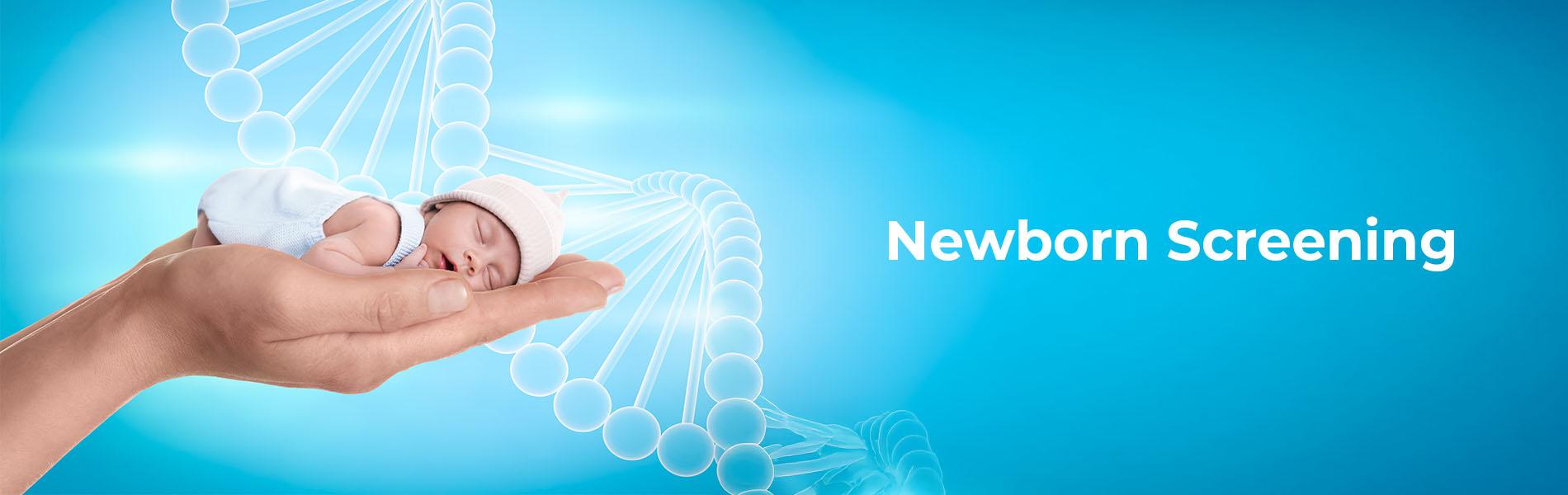
Newborn screening is a set of biochemical tests that screen a newborn baby for certain genetic, metabolic, and congenital disorders. The purpose of this test is to identify babies who may have a serious medical condition early on. This process helps them receive early medical treatment and intervention to prevent or reduce long-term health problems. 3, 4
When Is Newborn Screening Done?
The newborn screening test is usually performed in the first few days of life, typically between 24 and 48 hours after birth. The test is carried out in hospitals or birthing centres, and the results are available within a few days. 5
Why Are There So Many Myths About Newborn Screening?
It's widely recommended by paediatricians, yet parents are not fully aware of it. Probably, that's the basic reason why it's often misunderstood.
- Lack of awareness: Many parents hear about this test for the first time only after the baby is born. This is one of the basic reasons why parents don’t feel the necessity and often misunderstand its importance.
- Medical jargon: This test screens for rare conditions, and their names may sound scarier and more complex. It could be another reason.
- Internet misinformation: Conflicting opinions online can cause unnecessary panic.
- Emotional vulnerability: New parents are naturally anxious and more likely to fear anything unfamiliar involving their newborn. They are more cautious because this is their first experience with everything, and it revolves around their baby.
When clear information isn’t easily available, myths fill the gap. Let’s address the most common ones head-on.
Newborn Screening Tests: Myth vs Fact!
Myth 1: My baby looks healthy, so screening isn’t needed.
Fact: Many conditions detected through newborn screening show no symptoms at birth. A baby may appear perfectly healthy but still have an underlying condition that could become serious later. Screening helps catch these conditions before symptoms appear.
Myth 2: Newborn screening is painful and unsafe
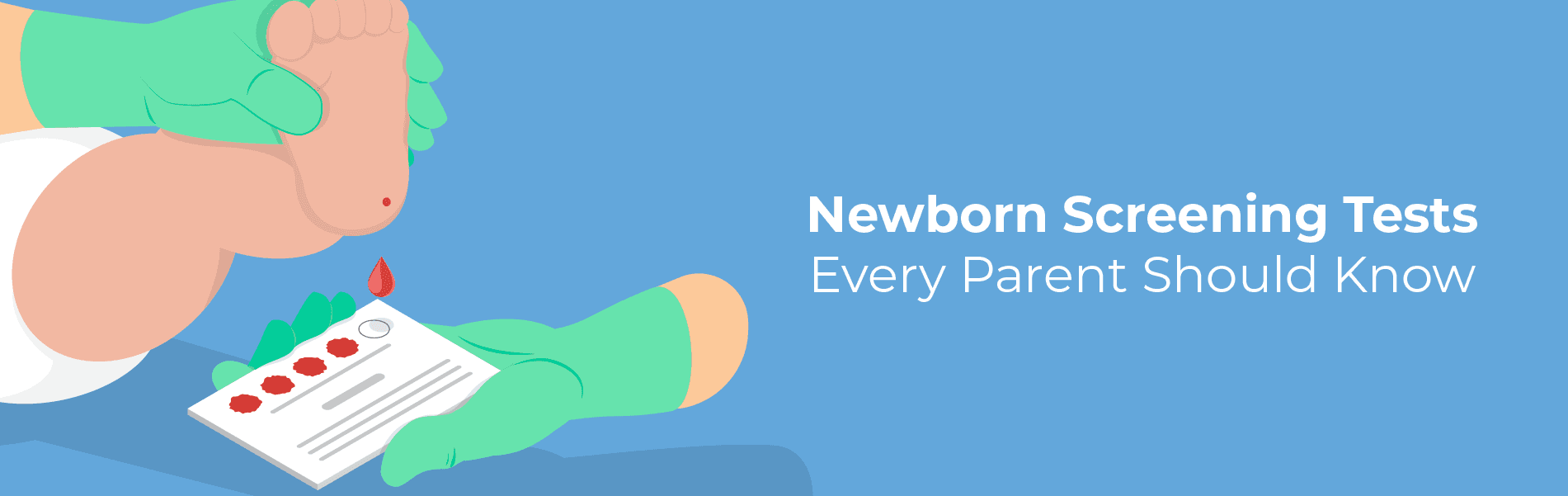
Fact: The heel-prick may cause brief discomfort, similar to a small pinprick, but it is safe and over in seconds. Babies usually calm down quickly, especially when comforted or fed.
Myth 3: These conditions are very rare, so the test isn’t necessary.
Fact: While each condition may be rare individually, collectively they affect a significant number of newborns. Screening ensures that even rare conditions are not missed.
Myth 4: A positive result means my baby definitely has a disorder
Fact: Newborn screening is a screening test, not a diagnostic one. A positive result only means further testing is required to confirm or rule out the condition.
Myth 5: Newborn screening can cause long-term harm
Fact: There is no evidence that newborn screening causes any long-term physical harm. On the contrary, early detection often prevents lifelong complications.
Myth 6: Screening is optional and can be done later.
Fact: Timing is critical. Some conditions can start affecting the baby within days or weeks. Delaying screening can reduce the chances of effective treatment.
What Conditions Can Newborn Screening Detect?
Newborn screening helps uncover serious health issues in babies right after birth, often before they show any symptoms. Catching these issues early means treatment can start ASAP, which can make a big difference.
Blood screening tests detect several disorders, including
1. Fatty acid metabolism disorders - During digestion, the body breaks down fat into fatty acids for energy. A baby with fatty acid oxidation problems can’t convert fat into energy efficiently.
2. Amino acid metabolism disorders - Newborns with these problems cannot process certain amino acids (building blocks of proteins) in the body. 1 When amino acids are not metabolised properly, they can accumulate in the blood and tissues, leading to the buildup of toxic substances. Furthermore, it can have severe and potentially life-threatening consequences.
3. Haemoglobin disorders - These problems affect red blood cells. Red blood cells carry oxygen to the rest of the body.
4. Organic acid metabolism disorders - Metabolism is how quickly and efficiently your body processes what you eat and drink. Babies with organic acid metabolism disorders don’t break down food correctly, causing substances called organic acids to build up in the body.
5. Endocrine disorders - These problems affect the glands that produce important hormones. Hormones are chemicals made by the body and help with the body’s growth and development.
Besides these, it detects several other diseases such as cystic fibrosis, BIOT (Biotinidase deficiency), GALT (Classic galactosemia), SCID (Severe combined immunodeficiency), CCHD (Critical congenital heart disease), etc.
How Accurate Are Newborn Screening Tests?
Newborn screening tests are known for their high accuracy and reliability, especially when done at the appropriate time. Here’s what parents should know:
- Screening, not diagnosis: These tests do not confirm a condition. They simply help identify babies who may need further testing.
- Why sensitivity matters: The goal is to ensure no baby with a potential condition is missed, even if it means a few babies are flagged for precautionary follow-up.
- False positives can happen: Sometimes, a test may suggest a possible issue even when the baby is healthy. This can occur due to early sample collection or temporary changes after birth. Follow-up tests usually provide clarity.
- False negatives are rare: Missing a condition is uncommon, especially when screening is done within the recommended time frame, and samples are collected correctly.
- Follow-up is key: Any abnormal result is always confirmed through additional diagnostic tests before treatment decisions are made.
Conclusion
As a parent, you want to give your baby the healthiest possible start in life. Newborn screening helps do exactly that - quietly, safely, and at the very beginning of their journey. By detecting potential health issues early on, newborn screening can help prevent serious complications and improve outcomes for babies with treatable conditions.
LifeCell offers a comprehensive range of newborn screening tests designed to cater to your baby's unique needs. From GenomeScope Newborn to screening for specific conditions like the Newborn Screening (11 Conditions), Basic (7 Conditions), and TMS (52 Conditions), there’s a suitable option for every need. Choosing the right test can be based on your baby’s medical and family history, ensuring the best start in their life.
References
+
Related Posts
Related Products
Are You Family Expecting A Baby?
I authorise LifeCell International Pvt.Ltd & its representatives to contact me with updates and notifications via Email/SMS/WhatsApp/Call. This will override DND/NDNC.
