

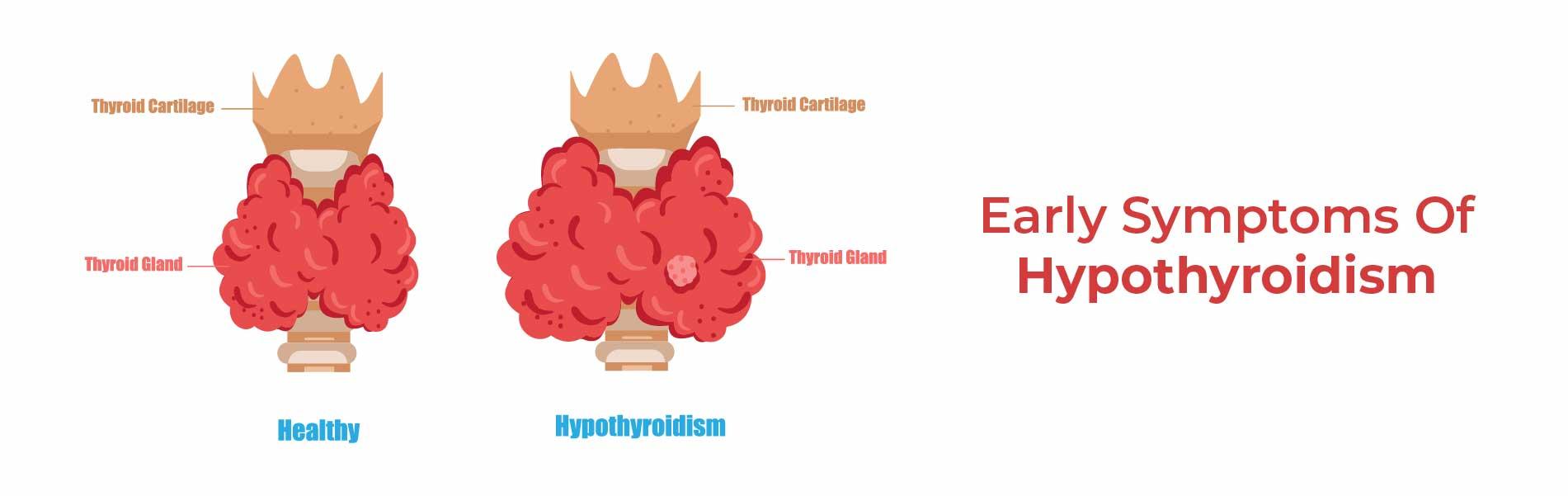
Hypothyroidism Symptoms: When Should You Get Tested?
You're sleeping eight hours but waking up exhausted.
You're gaining weight despite no changes in dietary habits.
Your mind feels foggy, your skin is dry, your mood seems low, and no one is able to tell you what’s happening.
Many people live with these exact struggles; they never realise that a single, small gland in their neck could be the root cause. Yes, some of you might know by now- we are talking about the thyroid gland. Hypothyroidism, an underactive thyroid, is one of the most commonly missed conditions worldwide. The good news? Once you identify the cause, it’s likely you can manage it well.
Want to know more about it in detail? Let’s go step by step!
Hypothyroidism: In Nutshell
The thyroid is a butterfly-shaped gland sitting at the base of your neck. No matter its small size, yet it has big roles to perform. This gland produces hormones, primarily T3 (triiodothyronine) and T4 (thyroxine), that regulate nearly every metabolic process in your body. From your heart rate and body temperature to your mood and menstrual cycle, thyroid hormones keep the whole system in sync. Which is why we say, it has got some really important plans for your body.
When the thyroid becomes underactive, it doesn't produce enough of these hormones. The result? Your body's engine slows down, and you feel it in almost every corner of your health.
What Are The Symptoms Of Hypothyroidism?
The tricky thing about hypothyroidism is that its symptoms are vague, gradual, and easy to blame on other things. For eg, stress, ageing, poor sleep, or a busy lifestyle. Here's a breakdown of the most common signs:
1. Persistent Fatigue and Sluggishness
People with hypothyroidism often describe persistent exhaustion that lingers throughout the day. No matter how much rest a person takes, it’s always less. When thyroid hormones drop, cellular energy production slows, leaving you feeling perpetually drained.
2. Unexplained Weight Gain
If you’re constantly gaining weight, despite no major changes to your diet or physical activity, your thyroid could be to blame. A slow metabolism means your body burns fewer calories at rest, making weight gain. This situation is frustratingly easy and losing on weight is nearly impossible.
3. Brain Fog and Memory Issue
Difficulty concentrating, forgetfulness, and a general mental haziness are hallmark complaints. Patients often describe it as thinking through thick mud. Thyroid hormones play a direct role in brain function, so when levels drop, cognitive clarity follows.
4. Depression and Mood Changes
Hypothyroidism and depression share many symptoms and look common. Low energy, low motivation, and emotional flatness are some of the signs. In fact, many people with undiagnosed thyroid issues are first treated for depression.
5. Sensitivity to Cold
Feeling cold when others are comfortable is another hypothyroidism symptom. People struggle to warm up even indoors. This is because thyroid hormones regulate body temperature; an underactive thyroid can make you unusually sensitive to cold environments.
6. Dry Skin, Hair Loss, and Brittle Nails
The skin loses its ability to retain moisture, leading to rough, flaky patches. Hair may become thin, brittle, or shed more than usual, even from the eyebrows (loss of the outer third of the eyebrow is a classic clinical sign). Nails may crack or break easily.
7. Constipation
Digestive motility slows along with everything else. If you're experiencing chronic constipation without a clear dietary reason, it's worth considering a thyroid check.
8. Irregular or Heavy Periods
Women with hypothyroidism often experience heavier, longer, or more irregular menstrual cycles. It can also contribute to fertility challenges, making thyroid test important for those trying to conceive.
9. Muscle Weakness and Joint Pain
Aching muscles, joint stiffness, and general weakness, especially in the arms and legs, are some other common signs. Some people even notice swelling around the joints or a puffy appearance in the face, particularly around the eyes.
Who Is Most at Risk?
While anyone can develop hypothyroidism, the following groups face a significantly higher risk:
- Women over 60 are the most commonly affected demographic
- People with a family history of thyroid disease
- Those with autoimmune conditions such as Type 1 diabetes, rheumatoid arthritis, or lupus
- Pregnant women and new mothers (postpartum thyroiditis is a recognised condition)
- People who have undergone thyroid surgery or radiation to the neck area
- Those with iodine deficiency, which remains a leading cause globally
When Should You Get Tested?
This is the critical question. The answer is: sooner than most people think.
Get tested if you have three or more of the symptoms listed above, especially if they've persisted for several weeks without an obvious cause. Don't wait until symptoms become severe; hypothyroidism is progressive, and early detection can make a big difference.
Get tested immediately if:
- You are pregnant or planning to become pregnant. Uncontrolled hypothyroidism poses serious risks to foetal development.
- You have a first-degree relative (parent or sibling) with thyroid disease.
- You've been treated for depression or anxiety that isn't responding well to standard therapy.
- You've recently experienced significant, unexplained weight gain.
How Is Hypothyroidism Diagnosed?
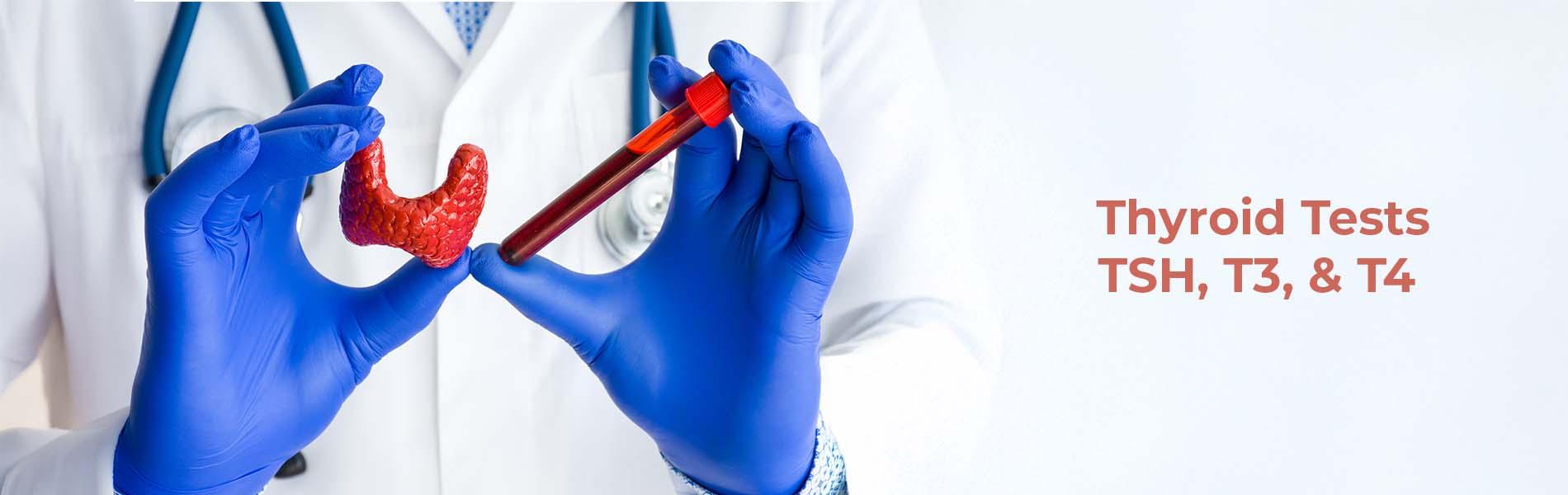
The primary test is a simple TSH (Thyroid-Stimulating Hormone) blood test. When the thyroid is underperforming, the pituitary gland compensates by producing more TSH to stimulate it, so elevated TSH levels are typically the first red flag.
Depending on the results, your doctor may also order:
- Free T4 (FT4) - measures the actual hormone available in the bloodstream
- Free T3 (FT3) - sometimes checked if symptoms persist despite normal T4
- TPO Antibodies (Anti-TPO) - to detect Hashimoto's thyroiditis, the most common autoimmune cause of hypothyroidism
The test is inexpensive, widely available, and requires just a routine blood draw. There is no reason to delay it.
What Happens After Diagnosis?
You may consult your doctor, who may provide you with the right treatment.
With proper treatment and regular monitoring, the vast majority of people with hypothyroidism lead completely normal, healthy lives.
The Bottom Line
Don't ignore the signs your body is giving you. A simple blood test can change everything.
LifeCell Diagnostics offers thyroid test packages covering TSH, T3, and T4, with free home sample collection, no fasting required, and results in just 1–2 days. A trained professional comes to your doorstep, so there's zero hassle. Whether you want a basic TSH screening or a full thyroid profile with antibody testing, LifeCell Diagnostics has a package for you.
Book your thyroid test now or call 1800-266-5533. Early testing is the simplest thing you can do for your long-term health.
Disclaimer: This blog is intended for informational purposes only and does not constitute medical advice. Always consult a qualified healthcare professional for diagnosis and treatment.
FAQs
1. How Do You Know If You Have Hypothyroidism?
Hypothyroidism is usually suspected when symptoms like fatigue, weight gain, dry skin, and sensitivity to cold persist over time. Since these signs are non-specific, a blood test measuring TSH and thyroid hormone levels is needed for confirmation. Early testing helps in accurate diagnosis and timely management.
2. What Are The First Signs Of Hypothyroidism?
Early signs often include constant tiredness, slight weight gain, and feeling unusually cold. Some people may also notice dry skin, hair thinning, or low mood. These symptoms tend to appear gradually and are often overlooked in the beginning.
3. What Foods Should You Avoid If You Have Hypothyroidism?
Certain foods, like excessive soy products, highly processed foods, and those high in goitrogens (such as raw cruciferous vegetables), may interfere with thyroid function when consumed in large amounts. Iodine intake should also be balanced, as both deficiency and excess can affect thyroid health. A balanced diet is generally recommended.
References
+
Related Posts
Related Products
Are You Family Expecting A Baby?
I authorise LifeCell International Pvt.Ltd & its representatives to contact me with updates and notifications via Email/SMS/WhatsApp/Call. This will override DND/NDNC.
