Pregnancy Blood Tests in First Trimester Explained
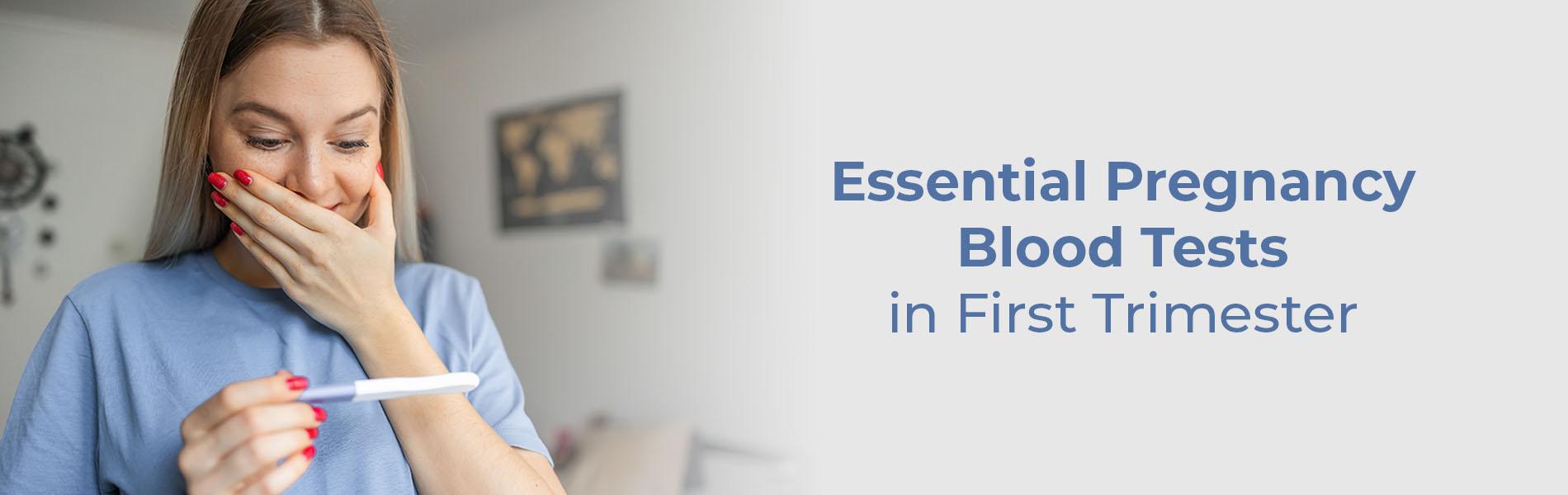
Anticipating your pregnancy report? The two beautiful lines on a pregnancy test kit or the doctor’s positive report bring a whirlwind of emotions - joy, excitement, and some apprehension about what happens next. One of the first things your doctor will recommend after a positive pregnancy test ought to be a series of blood tests. These are your first real peek into how your body is adapting to pregnancy.
Read on further to know about the essential pregnancy blood tests you should get done early in your first trimester. These tests not only track your health, but also help to catch potential health risks early and ensure that your baby is developing properly. These tests also help you feel more in control of your prenatal care.
Key Takeaways
- First-trimester blood tests help monitor the mother’s health and the baby’s early development.
- These tests detect anaemia, infections, blood type, Rh factor, thyroid levels, and immunity status early.
- CBC checks for anaemia, infection, and blood-clotting ability.
- Blood type and Rh factor testing help prevent Rh incompatibility issues.
- Infectious disease screening identifies HIV, hepatitis B, and syphilis early.
- Rubella testing confirms immunity to prevent birth defects.
- Glucose screening is advised for women at higher diabetes risk.
- NIPT is an optional, non-invasive test to screen for chromosomal abnormalities.
Why Are Blood Tests Important in the First Trimester?
The initial twelve weeks of pregnancy are crucial to monitor as your baby’s major organs and systems begin forming at this stage. Prenatal blood work done at this time helps serve multiple purposes beyond basic health monitoring. 1
These blood tests help to detect several conditions that may affect your pregnancy, such as anemia or infections that may cause harm to the baby if not treated promptly. During the first trimester, a blood test is done to find out your Rh factor and blood type. 2
First trimester screening tests help to establish baseline information such as your haemoglobin levels, thyroid function and immunity status.3 These tests, monitored early in your first trimester, help to detect changes throughout your pregnancy and address concerns before they snowball into something more serious.
List of Essential First Trimester Blood Tests
Here's what you can expect when your doctor orders pregnancy blood tests during your first trimester:
1. Complete Blood Count (CBC)
The Complete Blood Count test (CBC) is done to check for anemia. As per research, around 36.8% pregnant women in the world are affected by this common condition during pregnancy. 4 Anaemia can lead to premature birth, fatigue and low birth weight of the baby if left untreated. The CBC profile also checks your white blood cells and platelet count, thereby giving clues about your immune system and blood clotting ability. 5
2. Blood Type and Rh Factor
A blood type and Rh factor test is crucial during your first trimester. Rh is a type of protein found on the surface of red blood cells. If your blood cells have this protein, you are Rh-positive. If you are Rh-negative and there is a possibility that your fetus is Rh-positive, then it is called Rh incompatibility or if you are Rh-negative and your baby is Rh-positive, your body might create antibodies that could harm your future pregnancies. Your doctor may ask you to get an antibody screen during your first trimester and treat this incompatibility with a simple injection. 6
3. Infectious Disease Screening
Your doctor will ask you to get tested for syphilis, HIV, and hepatitis B. Syphilis is a bacterial sexually transmitted infection. HIV is a virus affecting the immune system. Hepatitis B is a viral liver infection. These infections can pass to your baby during pregnancy or delivery. Early detection enables early treatment and precautions that may reduce transmission risk. A syphilis test is usually done thrice during pregnancy - first prenatal visit, then in the third trimester and lastly at delivery.
4. Rubella Immunity Test
Rubella (German measles) - a viral infection during pregnancy can lead to serious birth defects. A Rubella test checks if you are immune to rubella or not from a previous infection or a vaccination. If not diagnosed and treated on time, this virus can cause severe damage to the fetus, especially in the first 12 weeks. 7
5. Glucose Screening
Women at a higher risk of diabetes are advised to get their glucose screening in the first trimester. Those who are not at risk may be advised to get it done in the second trimester. Glucose screening is advised as a part of your early pregnancy lab tests if you have had gestational diabetes in a previous pregnancy as well.
6. NIPT (Non-Invasive Prenatal Testing)
This is an optional prenatal screening done to check for chromosomal abnormalities like Down syndrome. NIPT has an accuracy of 99.7% in detecting chromosomal abnormalities for trisomy 21 - Down Syndrome. It is a non-invasive and safe way to screen for certain genetic conditions in the fetus. 8
When Should You Take These Tests?
Most doctors recommend pregnancy blood tests between weeks 1 and 12, though it might be earlier for some if they have existing health conditions.
NIPT can be performed as early as week 9 or 10, though many women choose to have it between weeks 10 and 13.
Some tests may be repeated later. For example, if you're Rh-negative, you'll need follow-up testing and possibly another injection around 28 weeks to protect future pregnancies.
How to Prepare for First Trimester Blood Tests
Most pregnancy blood tests require minimal preparation. Some requirements are mentioned below: 9, 10
- Fasting requirements - This depends on the specific test. Basic screenings like CBC, infectious disease testing or blood tests do not need fasting. But in the case of glucose testing, you may be asked to avoid food for 8-12 hours.
- Stay hydrated - It is important to stay hydrated before you undergo testing, as drinking water makes it easier to draw blood.
- Wear comfortable clothing - Wear loose, comfortable clothes with short sleeves or sleeves rolled up to make it easy to draw blood.
Conclusion
Pregnancy blood tests in the first trimester might seem like a long checklist, but each one serves a different purpose in determining the optimal health of the mother and the developing fetus. These tests look for possible problems and ensure an overall healthy pregnancy.
As each pregnancy is unique, your doctor will customize your pregnancy blood tests schedule based on your individual health and specific risk factors. If you are seeking an ideal diagnostics partner to get your blood tests done, you can contact LifeCell Diagnostics. They offer the First Trimester Quadruple (Delfia) Test, a comprehensive screening for early pregnancy health. With their convenient home sample collection and accurate, timely results, getting your first-trimester blood work done is now easier than ever!
Taking these tests at the right time is one of the first meaningful actions you can take to protect your baby.
FAQs
1. What blood tests are done in the first trimester of pregnancy?
Essential first-trimester blood tests include Complete Blood Count (CBC), blood type and Rh factor, infectious disease screening (HIV, hepatitis B, syphilis), rubella immunity, thyroid function tests, and sometimes early glucose screening. NIPT for chromosomal abnormalities is optional for those who might be at risk of genetic conditions.
2. Is CBC mandatory in the first trimester?
While not mandatory, CBC is strongly recommended as standard prenatal care. It screens for anemia and other blood conditions that can affect both your health and your baby's development.
3. Is NIPT safe for the baby?
Yes, NIPT is completely safe for both you and your baby. This non-invasive test only requires a blood sample from your arm, and there's no risk to the fetus.
References
+
Related Products
Are You Family Expecting A Baby?
I authorise LifeCell International Pvt.Ltd & its representatives to contact me with updates and notifications via Email/SMS/WhatsApp/Call. This will override DND/NDNC.
