

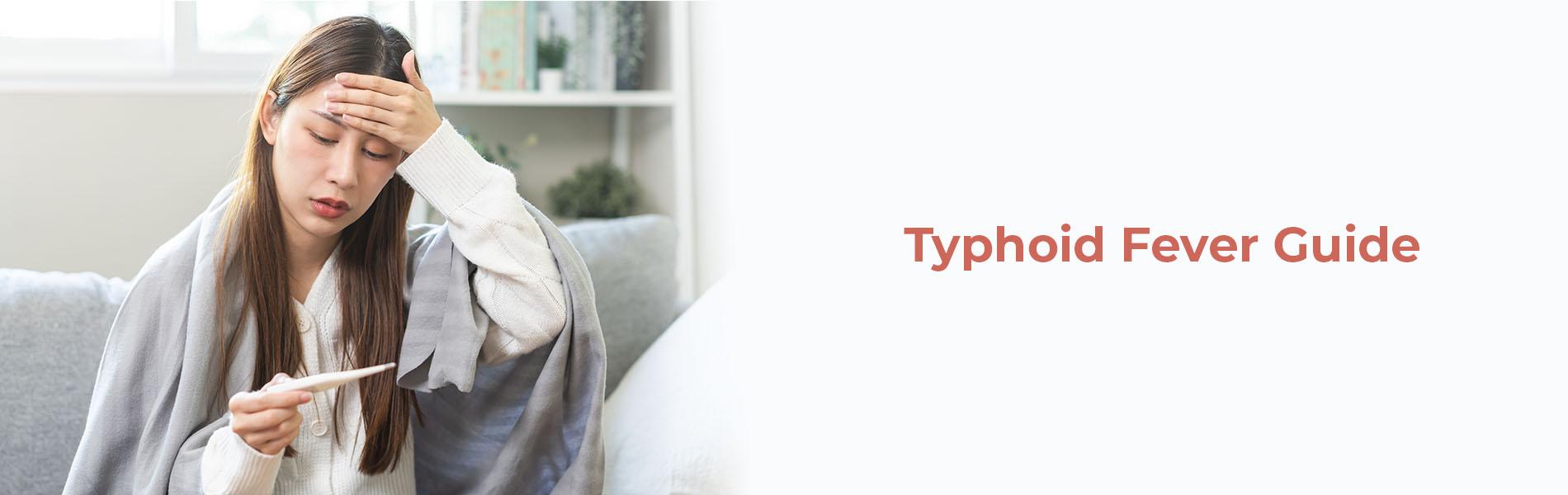
Typhoid Fever Guide: Symptoms, Stages, Duration & Testing Options
Are you still feeling sick days after that fever started? Do not brush it off. A persistent fever may sometimes signal serious infections, such as typhoid fever. This bacterial infection is super uncomfortable and can become dangerous if left untreated.
Typhoid fever spreads quietly, thrives in areas with poor sanitation, and can go undiagnosed if you are not careful. The earlier you spot the signs, the faster you recover. In this guide, we will walk you through the symptoms, stages, and timeline of typhoid fever. We will also explain how it is tested and treated, and most importantly, how you can avoid it altogether. Read on!
What Is Typhoid Fever?
Typhoid fever is a serious bacterial infection caused by Salmonella Typhi. It spreads through contaminated food or water. In simple terms, if you eat or drink something touched by germs from someone’s faeces, you can get infected. According to the CDC, nearly 9.2 million typhoid cases occur worldwide each year. 1, 2
Early Symptoms Of Typhoid Fever

The tricky part about typhoid symptoms is how ordinary they seem in the beginning. Most people start off thinking it is just the flu or a viral fever. Here are some of the most common early signs to watch out for:
- Persistent high fever
- Chills
- Weakness
- Stomach pain
- Headache
- Constipation or diarrhoea
- Cough
- Loss of appetite
- Confusion
- Nosebleeds
Apart from these symptoms, some people develop small red rashes called rose spots on the abdomen and chest. 3, 4
Stages Of Typhoid Fever
Typhoid unfolds in the following four stages:
Stage 1
This is the first stage that includes the incubation period of the bacteria. It lasts for 6 to 30 days but is usually 10 to 14 days. The stage has no symptoms, but the body is already infected.
Stage 2
This stage occurs after the incubation period. Its first symptom is a gradually increasing fever that may reach up to 103°F or 39.5°C. It is usually lowest in the morning and peaks in the afternoon or evening. Along with this, you may experience other symptoms, such as fatigue and stomach pain.
Stage 3
By now, the symptoms are stronger and harder to ignore. If the person does not get proper treatment, the infection may lead to sepsis. This is your body’s extreme reaction to an infection, which can be life-threatening.
Stage 4
This is the recovery stage. If the patient continues treatment, the fever gradually subsides. Also, they regain their appetite and strength.
How Long Does Typhoid Fever Last?
Typhoid fever may last up to a month if not treated. However, with the right antibiotics, most people start feeling better in 3 to 5 days. Even after this, it is important to finish all your antibiotics. If not, the symptoms may come back later. This is a relapse that usually happens within two weeks. 5
Testing Options For Typhoid Fever

Doctors use a few different tests to confirm typhoid fever. Getting tested early helps with faster treatment and reduces the risk of complications. However, diagnosis can be difficult, especially in the first week, as the bacteria may not show up right away. Here is how typhoid is usually tested:
1. Blood Culture
This is the most accurate typhoid testing option. A small sample of your blood is sent to the lab. If the typhoid bacteria grow in the sample, the diagnosis is confirmed. This method works best in the first week of symptoms.
That said, it is not perfect. Sometimes, a blood culture may take several days to give results. It may also miss the infection if the bacteria level in the blood is low or if you have already taken antibiotics. In some cases, doctors repeat the test or take a larger blood sample to improve accuracy.
2. Bone Marrow Culture
This test checks for typhoid fever bacteria in the bone marrow. It is more sensitive than a blood culture and works even after the initial antibiotic dosage. However, it is invasive and painful. Doctors rarely use it unless absolutely necessary.
3. Widal Test
The Widal test is a blood test that looks for antibodies produced in response to the typhoid bacteria. It is quick and inexpensive but has poor accuracy. It may give false results if you have had typhoid in the past or have another similar infection. Doctors often use it along with other signs and symptoms.
4. Rapid Diagnostic Tests
These are simple blood tests that give quick results. Some detect antibodies, while others look for typhoid proteins. A few newer versions show better accuracy, but many still give mixed results. These tests are useful in places where better tools are not available.
5. PCR (Molecular Testing)
PCR is a test that looks for typhoid DNA in your blood. It can also show if the bacteria are resistant to certain antibiotics. This test is highly accurate but expensive. It is usually done in advanced labs and is not widely available in rural or low-resource areas.
6. Stool And Urine Culture
Stool tests can detect typhoid bacteria in some cases. However, they are more useful for checking long-term carriers, not for early diagnosis. In some cases, a urine culture may help. However, it is not reliable on its own.
Typhoid Fever Treatment And Management

Typhoid fever is treated with antibiotics. Doctors usually start treatment as soon as they suspect the infection. Delaying treatment can make the illness worse and increase the chances of serious complications. In countries where typhoid is common, most mild cases are treated at home with oral antibiotics. Hospitalisation is needed for severe cases or when complications arise.
Let us learn more about typhoid treatment below.
1. Antibiotic Treatment
The choice of antibiotic depends mainly on the severity of the illness. In some cases, it may also depend on your region. For instance, in many parts of Asia and Africa, typhoid bacteria have become resistant to older antibiotics, like ciprofloxacin. In such cases, doctors often prescribe azithromycin or ceftriaxone.
For children, the doses are adjusted based on body weight. The World Health Organisation recommends the same antibiotics for children but with careful dose calculation.
2. Monitoring During Treatment
If the fever does not improve after 5 days of starting antibiotics, doctors may look for complications or change the antibiotic, depending on test results. Some antibiotics, like cefixime, may take longer to show results. Ciprofloxacin and ofloxacin work faster in most cases.
3. Supportive Care
In mild cases, patients can recover at home with rest, antibiotics, fluids, and medicine to lower fever. Your doctor may also prescribe oral rehydration solutions to help prevent dehydration caused by vomiting or diarrhoea.
For severe cases, hospital care may be needed. Doctors may give IV fluids, blood transfusions, or oxygen, depending on the symptoms. In more serious cases with complications like shock or brain involvement, steroids such as dexamethasone may be used.
4. Maintenance
Your typhoid fever treatment does not end once your temperature goes back to normal. It is important to complete the full course of antibiotics, even if you start feeling better. Stopping early may cause the infection to return.
Preventing Typhoid Fever

Typhoid fever spreads through contaminated food or water. That means most cases are preventable with good hygiene, clean water, and safe eating habits. Here are all the tips you can follow to keep typhoid fever at bay:
1. Wash Your Hands
Handwashing is one of the easiest and most effective ways to prevent typhoid. Always wash your hands with soap and clean water: 6
- Before eating or preparing food
- After using the toilet
- After touching raw or unwashed produce
- After coming home from outside.
If soap is not available, you may use a hand sanitiser with at least 60% alcohol content.
2. Drink Safe Water
Contaminated water is a major source of typhoid. To stay safe, follow these tips:
- Drink only bottled or filtered water.
- Avoid ice cubes outside unless you are sure they were made from safe water.
If you are unsure about the water source, boil it before use.
3. Maintain Food Safety
Food safety is just as important as water safety. Here is what you need to follow:
- Always cook your food before consumption.
- Avoid raw fruits and vegetables that can not be peeled.
- Do not eat food from street vendors if its hygiene seems questionable.
- Skip undercooked meat, eggs, or seafood.
- Opt for packed, pasteurised milk.
Apart from these safety tips, you should avoid preparing food for other people if you have typhoid fever.
4. Avoid Close Contact With Infected People
If someone in your home has typhoid, take extra precautions. Here are some tips you can follow:
- Avoid close contact with an infected person.
- Wash your hands more often.
- Do not share food, utensils, cups, or towels.
- Clean surfaces like toilet seats and door handles regularly.
It is also important to note that typhoid can spread even if the infected person no longer has symptoms. Some people become carriers and continue to pass on the bacteria without knowing.
Get Vaccinated
A vaccination may also lower your risk of getting typhoid fever. It is especially recommended for people who are travelling to typhoid-prone areas. However, do keep in mind that a vaccine does not offer full protection. You will still need to follow food and water safety precautions.
When To See A Doctor
You should see a doctor for typhoid if you notice one or more of the typhoid symptoms, such as persistent fever and stomach pain. Apart from that, consult a doctor: 5
- If you are undergoing treatment and your symptoms get worse
- If someone around you has typhoid
- If you have travelled recently to a region where typhoid is common
- If you have had typhoid before and are experiencing a recurrence.
The Wrap Up
Typhoid fever is a serious bacterial infection that needs timely care. It often starts with flu-like symptoms, which is why many people overlook it in the early stages. But if left untreated, it may lead to serious health complications and even become life-threatening. Understanding the symptoms, stages, testing options, and treatment plans can help you take action early.
To make diagnosis easier, you can opt for typhoid testing options like Lifecell Diagnostics’ Fever Advanced Panel. It screens for various causes of fever, including typhoid fever, and helps doctors guide the right treatment from the start.
FAQs
Which Organ Is Affected By Typhoid?
Typhoid primarily affects the gastrointestinal tract, particularly the intestine. As the infection spreads, it may also impact the kidneys.
What Causes Typhoid Fever?
Typhoid fever is caused by the bacterium Salmonella Typhi. It spreads through contaminated food or water, especially in areas with poor sanitation and hygiene.
Is Typhoid Fever Very Serious?
No, typhoid fever is not very serious if diagnosed early and treated in time. However, without treatment, it may lead to internal bleeding, sepsis, or even death in severe cases. Also, since the condition is contagious, it is best to avoid contact with other people to prevent it from spreading. 1
How Long Will Typhoid Last?
Typhoid may last for several weeks. However, with proper antibiotics, most people start feeling better within 3 to 5 days. That said, full recovery may take longer and requires proper medication.
What Is The Cost Of A Typhoid Test?
The cost of a typhoid test usually ranges from ₹400-1000, depending on the type of test and the lab. Comprehensive tests that check for multiple infections may cost even more.
References
+
Related Posts
Related Products
Are You Family Expecting A Baby?
I authorise LifeCell International Pvt.Ltd & its representatives to contact me with updates and notifications via Email/SMS/WhatsApp/Call. This will override DND/NDNC.
