5 Myths About Newborn Screening – Explained
Hey new parents, feeling confused about which tests your newborn actually needs? You’re not alone. With so many recommendations, opinions, and advice coming from every direction, it’s completely normal to feel overwhelmed. Everyone seems to be talking about different tests but how do you know what’s truly important for your baby?
That’s exactly why understanding newborn screening matters. It’s one of the first and most essential tests designed to check your baby’s health early on often before any symptoms even appear. Let’s simplify it for you and clear the confusion so you can make confident, informed choices for your little one.
Key Takeaways
- Newborn screening is one of the first and most essential tests to check your baby’s health early
- It helps detect genetic, developmental, and metabolic conditions before symptoms appear
- A baby may look healthy, but some conditions can be silent at birth
- The heel prick test is quick, safe, and causes minimal discomfort
- Newborn screening is a screening tool, not a final diagnosis. Further tests may be needed
- Early detection can prevent serious complications and improve long-term outcomes
- The cost of screening is far lower than the cost of delayed diagnosis and treatment
- Screening is important for all babies, even without a family history
- Most screening panels today cover 25–40+ conditions, offering broader protection
- Don’t let myths delay decisions timely screening ensures a safer, healthier start for your baby
What Is Newborn Screening?
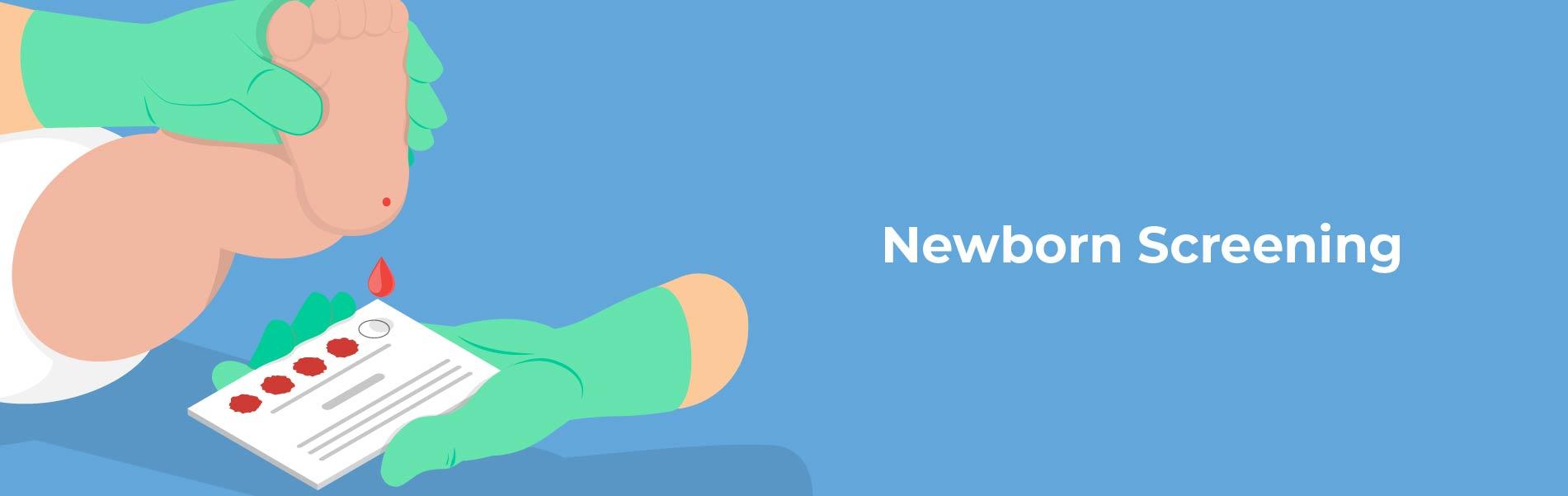
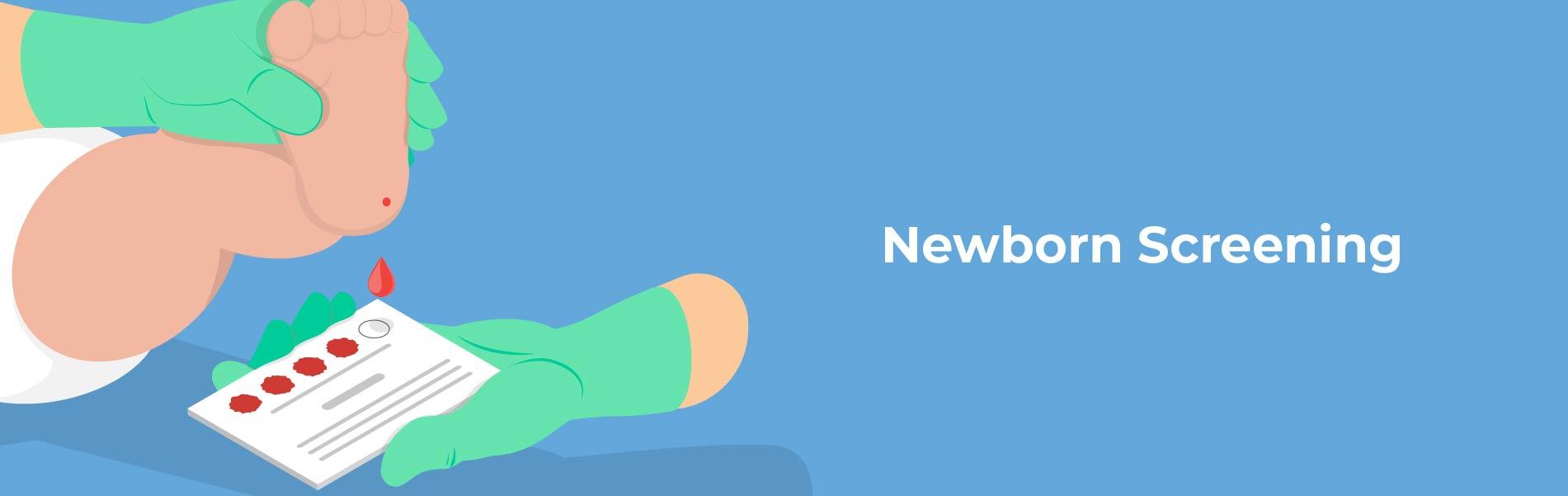
Newborn screening tests check for developmental, genetic, and metabolic disorders in babies shortly after birth. The goal is to detect these conditions before symptoms appear, so early treatment can begin. While most of these disorders are rare, identifying them early can make a significant difference in a baby’s health and development.
The number of conditions screened can vary, but most standard panels today cover at least 25–40 disorders. Since phenylketonuria (PKU) was the first condition ever screened in newborns, the test is sometimes still referred to as the “PKU test,” even though it now includes many more conditions. 1
Significance of Newborn screening
Newborn screening plays an important role by helping detect potential health conditions at a very early stage, often before any symptoms appear. The goal is to reduce or prevent long-term complications through timely and accurate testing. It acts as a safety net, identifying possible health concerns early so that appropriate treatment and management can begin without delay. Its true value lies in detecting conditions that may not be visible at birth but could cause serious health issues later if left untreated.
5 Common Myths About Newborn Screening
Let’s clear up some of the most common misconceptions parents have about newborn screening
Myth 1: My baby looks healthy, so screening isn’t necessary
Many parents assume that a healthy-looking baby doesn’t need testing. But in reality, most conditions screened during newborn screening don’t show any symptoms at birth. A baby may appear perfectly fine but still have an underlying condition that could cause serious complications later. Early detection can significantly improve outcomes and, in some cases, even prevent long-term health issues.2
Myth 2: The heel prick test is too painful
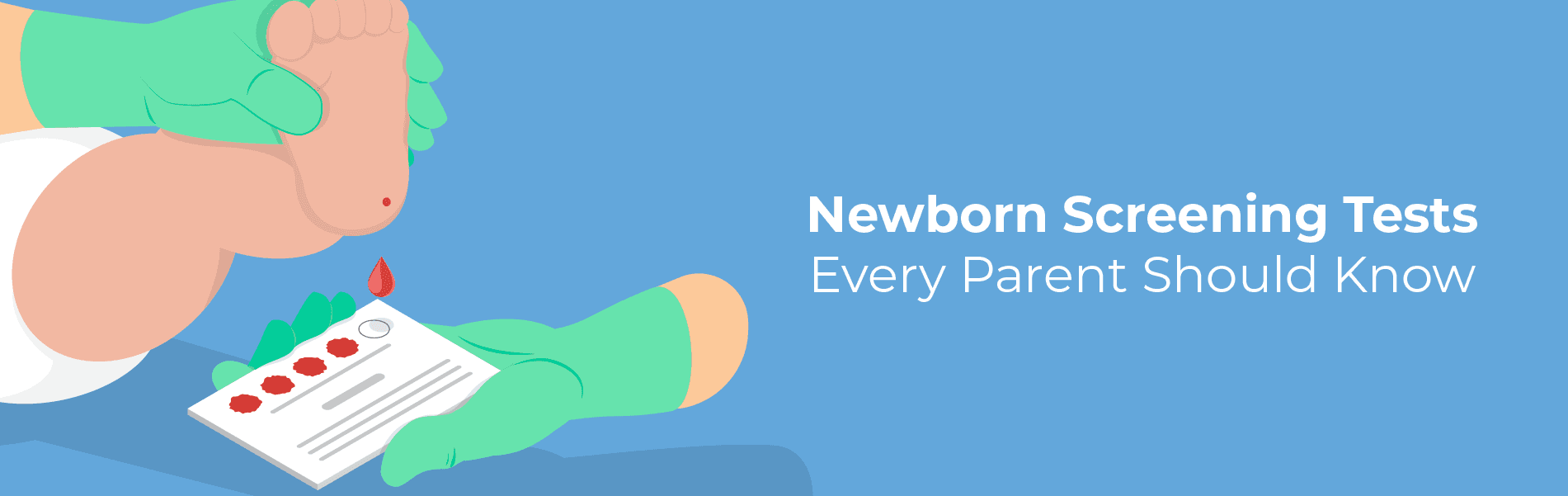
It’s natural to worry about your baby’s comfort. The test involves a small prick on the baby’s heel to collect a few drops of blood. The discomfort is minimal often compared to a quick pinprick or mosquito bite and lasts only a moment. The benefit of early detection far outweighs this brief discomfort.
Myth 3: A negative result means my baby is completely healthy
This is a common misunderstanding. Newborn screening is a screening test, not a diagnostic test. A negative result simply means no issues were found among the conditions tested it does not rule out all possible disorders. Similarly, a positive result doesn’t confirm a condition but indicates the need for further testing.
Myth 4: It’s too expensive and not worth it
Cost can be a concern, especially when paid out-of-pocket. While newborn screening may seem like an added expense, the cost of not detecting a condition early can be much higher- both financially and emotionally. Early diagnosis can help avoid hospitalisations, developmental delays, and long-term treatment costs, making it a valuable investment in your baby’s future health.
Myth 5: Newborn screening is only needed if there’s a family history
Many parents believe that genetic testing is only necessary if a condition runs in the family.
Reality: Most conditions detected through newborn screening can occur even without any family history. In fact, many parents are completely unaware they carry certain genes. That’s why newborn screening is recommended for all babies, not just those with known risk factors.
Conclusion:
Many parents hesitate to opt for newborn screening, often because of common myths and misconceptions. It’s natural to feel unsure when you’re hearing different opinions, especially when it concerns your newborn. But the truth is, newborn screening is a simple and important step that helps detect certain conditions early often before any symptoms appear. Even healthy-looking babies can have underlying conditions that aren’t immediately visible.
Choosing to move past these myths and focusing on facts can make all the difference. Newborn screening isn’t about worrying, it’s about being prepared. With the right information and timely action, you’re giving your baby a safer, healthier start right from the very beginning.
FAQs
1. What is newborn screening?
Newborn screening is a set of tests done shortly after birth to check for genetic, developmental, and metabolic disorders so that treatment can begin early if needed.
2. When is newborn screening done?
These tests are usually performed before the baby leaves the hospital, typically within the first few days of life.
3. How is the test performed?
A small sample of blood is taken by a quick heel prick, along with other checks like hearing and heart screening.
4. What conditions does newborn screening detect?
It can detect a range of rare but serious conditions, including inherited and metabolic disorders that may not show symptoms at birth.
5. Why is newborn screening important?
Early detection allows timely treatment, which can prevent serious health problems, lifelong complications, or even life-threatening outcomes.
6. Does a positive result mean my baby has a disease?
No, a positive result means your baby may be at risk and needs further testing to confirm the diagnosis.
References
+
Related Posts
Related Products
