Newborn Screening in India: Complete Guide for New Parents
Hey parents-to-be, as your delivery date gets closer, you have probably checked off most of your essentials: hospital bags, baby clothes, and nursery basics. But have you thought about what comes after your baby arrives? The first few days of life are incredibly important. This is when certain health conditions, though not visible at birth, can be identified early through newborn screening. Understanding these tests can help you make informed, confident decisions for your baby’s future health.
In this blog, we take a closer look at newborn screening, what it is, why it matters, and how it supports your baby right from the very beginning; so you are well prepared during those precious first days of their life.
What is Newborn Screening?
Newborn Screening (NBS) is a preventive healthcare program that involves testing newborn babies for serious genetic, metabolic, and endocrine disorders shortly after birth. The aim is to identify conditions that can lead to severe health issues, such as mental or motor retardation, physical disabilities, or even death, before symptoms appear. Early detection allows for timely interventions, treatments, and management, which can significantly improve the child’s health and quality of life.1
Significance of Newborn Screening
The program is considered a modern public health initiative in many countries, aimed at reducing infant mortality and morbidity rates. It also provides valuable data for genetic counseling and prenatal diagnosis, helping families understand and manage genetic risks.
In India, the following conditions are commonly screened as part of newborn screening programs, though the practice is not yet widespread.
Conditions Commonly Screened in India
Congenital Hypothyroidism (CH)
This is one of the most common conditions identified through newborn screening, seen in about 1 in 1,700 babies in pilot studies. Screening is strongly recommended because the condition is completely preventable when detected early, and treatment is simple, effective, and affordable. 2
Congenital Adrenal Hyperplasia (CAH)
CAH has been reported in approximately 1 in 2,575 newborns in smaller surveys. Since early diagnosis can prevent serious complications, screening is advised as part of the second phase of newborn screening implementation.
G6PD Deficiency
The occurrence of G6PD deficiency varies widely across regions in India. For example, studies show higher rates in certain areas, such as 28.3% among males in Delhi and 22% in Surat. Because of this variation, region-specific screening is recommended.
Hemoglobin Disorders
This group includes conditions like beta-thalassemia and sickle cell disease. As these disorders are more common in certain populations and regions, targeted regional screening is advised, especially in high-prevalence areas.
Deafness (Hearing Loss)
Newborn hearing screening is recommended to identify sensorineural hearing loss early. Timely detection helps reduce long-term effects on speech, language development, and learning.
Inborn Errors of Metabolism
Rare metabolic conditions such as homocystinuria, hyperglycinemia, maple syrup urine disease (MSUD), and phenylketonuria (PKU) have been identified in Indian pilot studies. Early screening allows prompt dietary or medical management, improving outcomes.
Cystic Fibrosis (CF)
Cystic fibrosis is considered rare in India, with an estimated prevalence ranging from 1 in 10,000 to 1 in 40,000 births. Currently, we need more population-based data before recommending routine nationwide screening.
These conditions are prioritized based on prevalence, morbidity, and availability of effective treatment.
When is Newborn Screening Done?
Newborn screening is typically done soon after birth. The right time to collect the blood sample is between 24 and 48 hours after delivery. If the test is done before 24 hours, some metabolic conditions may not be detected. On the other hand, testing after 48 hours can delay early treatment, when timely intervention matters most.
In some cases, a second screening at around two weeks of age may be recommended to confirm results and ensure accuracy.
Newborn screening at LifeCell Diagnostics
LifeCell Diagnostics offers a range of newborn screening panels, allowing parents and clinicians to select screening based on clinical need, family history, or preference for broader evaluation in the early days after birth.
Basic & Condition-Focused Panels
Designed to cover commonly recommended conditions identified in early newborn screening programmes.
1. Basic 7-Condition Panel
Screens for essential congenital disorders typically included in initial newborn screening protocols.
2. 11-Condition Panel
Extends screening to additional core metabolic and genetic conditions, offering wider clinical coverage than the basic panel.
Expanded Screening Options
3. 52-Condition TMS Panel
Uses tandem mass spectrometry (TMS) to screen for over 50 inherited metabolic disorders through a single blood sample.
4. GCMS 111-Condition Panel
A comprehensive metabolic profile capable of identifying over 100 rare metabolic conditions.
Conclusion
The first few days after birth are a crucial period to understand a baby’s health beyond what is visible at delivery. Newborn screening helps identify certain genetic, metabolic, endocrine, and hearing-related conditions early, often before symptoms appear, allowing medical care and follow-up to begin in a timely manner.1
With a structured range of screening panels, LifeCell Diagnostics enables parents and clinicians to select testing based on clinical need, family history, and the level of screening preferred in the early days of life. Choosing newborn screening helps parents take a proactive, informed approach to their baby’s health right from the start.
FAQs
1. What is newborn screening?
Newborn screening is a preventive health test done soon after birth to identify certain genetic, metabolic, endocrine, and hearing-related conditions that may not be visible at birth but can affect long-term health.
2. When is newborn screening usually performed?
The test is ideally done between 24 and 48 hours after birth. In some situations, a second screening may be recommended around two weeks of age to confirm results.
3. How is the newborn screening sample collected?
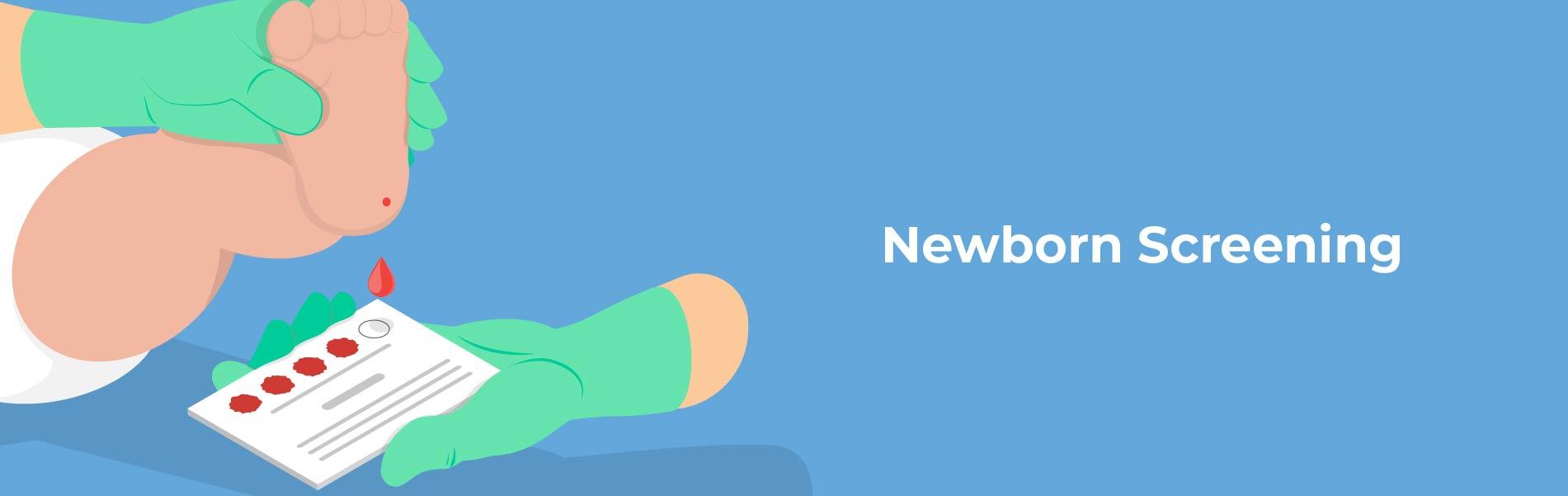
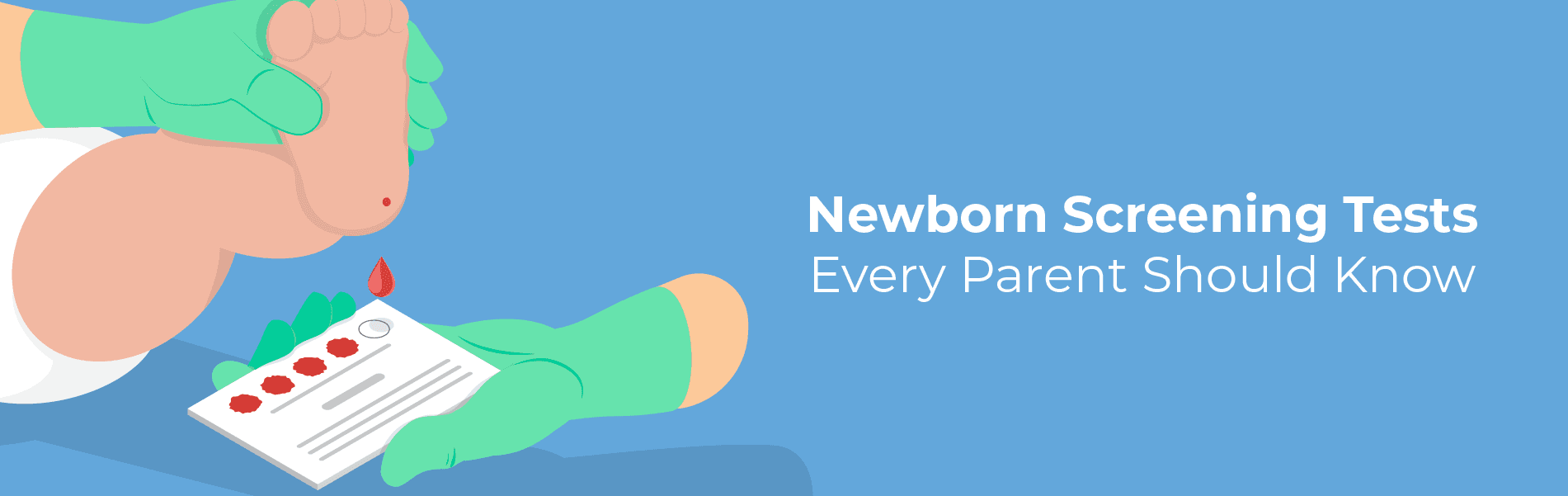
A small blood sample is collected using a heel prick. In some cases, urine or hearing tests may also be part of the screening process.
4. Why is newborn screening important in India?
Some conditions, such as congenital hypothyroidism, G6PD deficiency, and haemoglobin disorders, have a higher or region-specific prevalence in India. Early screening helps identify these conditions before symptoms appear.
5. What conditions are commonly screened?
Screening is mainly done for congenital hypothyroidism, congenital adrenal hyperplasia, G6PD deficiency, haemoglobin disorders, hearing loss, inborn errors of metabolism, and cystic fibrosis.
6. Is newborn screening mandatory in India?
Newborn screening is recommended but not yet universally implemented nationwide.
References
+
Related Posts
Related Products
Are You Family Expecting A Baby?
I authorise LifeCell International Pvt.Ltd & its representatives to contact me with updates and notifications via Email/SMS/WhatsApp/Call. This will override DND/NDNC.
