

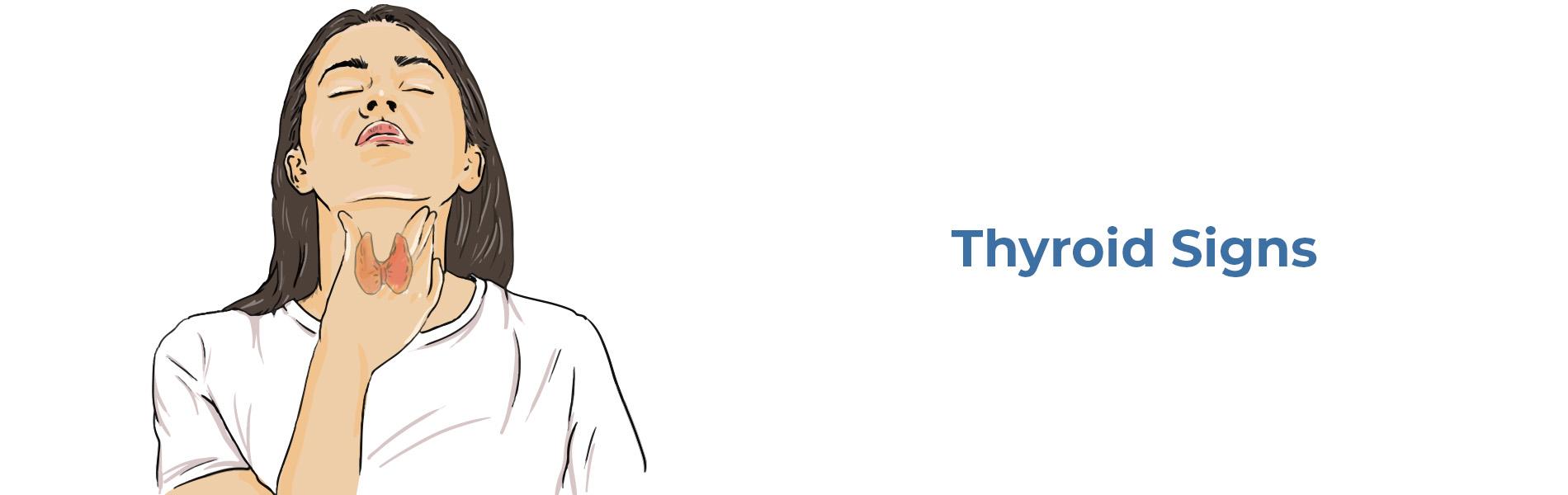
Early Warning Signs of Thyroid Problems in Women
The thyroid may be a small butterfly-shaped gland in your neck, but it is an important gland in making sure that your body functions properly. It affects everything from the metabolic rate to the heart, emotional well-being, conception, and body temperature.
The risk of developing a thyroid disease is higher in women compared to men. This applies not only to pregnant women but also those who are trying to conceive, just given birth, as well as those nearing menopause.
The problem with thyroid diseases in women is that their early symptoms are hard to detect because they are easily confused with stress, age, hormonal imbalances, and exhaustion.
Key Takeaways
- Thyroid disorders are more common in women and can affect metabolism, mood, fertility, heart health, and overall wellbeing.
- Early signs of thyroid problems may include fatigue, unexplained weight changes, hair loss, dry skin, irregular periods, anxiety, and sensitivity to cold or heat.
- Hypothyroidism slows down body functions, while hyperthyroidism speeds them up.
- Hormonal changes during pregnancy, postpartum, and menopause can increase the risk of thyroid imbalance in women.
- Symptoms of thyroid disease are often subtle and may be mistaken for stress, ageing, or hormonal fluctuations.
- Early diagnosis through thyroid function tests like TSH, T3, and T4 can help prevent complications.
- Most thyroid disorders can be effectively managed with medication, lifestyle changes, and regular monitoring.
- Paying attention to persistent symptoms and seeking medical advice early can improve long-term health outcomes.
What Is Thyroid Disease?
The thyroid gland produces hormones that help control how your body uses energy. When the thyroid produces too much or too little hormone, it can affect several body functions.
The two most common thyroid conditions are:
- Hypothyroidism – An underactive thyroid that slows down body functions
- Hyperthyroidism – An overactive thyroid that speeds up body functions
Both conditions can cause a wide range of symptoms that affect physical health, emotional wellbeing, and daily life.1
Why Are Women More Prone to Thyroid Problems?
Hormonal fluctuations can make women more vulnerable to thyroid disorders. Certain life stages and conditions may increase the risk, including:
- Pregnancy
- Postpartum hormonal changes
- Menopause
- Autoimmune conditions
- Family history of thyroid disease
Women over the age of 60 are also at a higher risk of developing thyroid-related conditions.
Early Warning Signs of Thyroid Problems in Women
Here are some common thyroid symptoms women should pay attention to: 2, 3
1. Unexplained Fatigue and Low Energy
Feeling tired after a busy day is normal. But constant exhaustion that doesn’t improve with rest could point to thyroid dysfunction.
An underactive thyroid can slow down metabolism and reduce energy production, making even simple daily activities feel exhausting.
Signs to notice:
- Feeling drained throughout the day
- Difficulty concentrating
- Sleeping more than usual
- Feeling sluggish or mentally foggy
2. Sudden Weight Changes
One of the earliest signs of thyroid imbalance is unexpected weight fluctuation.
Hypothyroidism may cause:
- Weight gain despite normal eating habits
- Difficulty losing weight
Hyperthyroidism may cause:
- Unexplained weight loss
- Increased appetite with weight reduction
3. Hair Thinning and Dry Skin
Your thyroid supports healthy hair growth and skin renewal. When hormone levels are disrupted, noticeable changes may appear.
Common symptoms include:
- Hair thinning or excessive hair fall
- Brittle nails
- Dry, flaky skin
- Puffy face
Many women initially mistake these symptoms for nutritional deficiencies or stress.
4. Changes in Menstrual Cycle
Thyroid hormones are closely linked with reproductive health. Changes in thyroid function can affect menstrual patterns and fertility.
You may notice:
- Heavy periods
- Irregular menstrual cycles
- Missed periods
- Increased menstrual cramps
- Fertility difficulties
5. Mood Swings, Anxiety, or Depression
Mental and emotional symptoms are common but often overlooked signs of thyroid disease.
Hypothyroidism may contribute to:
- Depression
- Low motivation
- Brain fog
Hyperthyroidism may cause:
- Anxiety
- Irritability
- Nervousness
- Restlessness
Because these symptoms overlap with stress and hormonal changes, thyroid issues can sometimes go undiagnosed for years.
6. Sensitivity to Cold or Heat
If you constantly feel colder or hotter than those around you, your thyroid may be involved.
Hypothyroidism:
- Increased sensitivity to cold
- Cold hands and feet
Hyperthyroidism:
- Excessive sweating
- Heat intolerance
Thyroid hormones help regulate body temperature, so imbalances can alter how your body reacts to environmental temperatures.
7. Swelling in the Neck
A visible swelling or fullness in the neck may indicate an enlarged thyroid gland, also called a goitre.
You may notice:
- Tightness in the throat
- Difficulty swallowing
- Hoarseness in voice
- A lump-like swelling near the neck
Any unusual neck swelling should be evaluated by a healthcare professional.
8. Rapid or Slow Heartbeat
The thyroid directly affects heart function.
Hyperthyroidism may cause:
- Rapid heartbeat
- Palpitations
- Increased blood pressure
Hypothyroidism may lead to:
- Slower heart rate
- Feeling faint or weak
- Persistent heart rhythm changes should never be ignored.
9. Digestive Changes
Your digestive system can also reflect thyroid health.
Hypothyroidism:
- Constipation
- Slower digestion
Hyperthyroidism:
- Frequent bowel movements
- Diarrhoea
If digestive issues persist without a clear cause, thyroid testing may help identify the underlying issue.
10. Muscle Weakness and Joint Pain
Many women with thyroid disorders experience unexplained muscle discomfort.
Symptoms may include:
- Muscle cramps
- Joint stiffness
- Weakness
- Body aches
These symptoms can interfere with daily activities and overall quality of life.
When Should You See a Doctor?
It’s important to seek medical advice if you experience:
- Persistent fatigue
- Unexplained weight changes
- Irregular periods
- Hair loss
- Neck swelling
- Ongoing mood changes
Early diagnosis can help prevent complications and improve long-term health outcomes.
How Are Thyroid Problems Diagnosed?
Doctors usually diagnose thyroid disorders through:
- Physical examination
- Medical history review
- Blood tests such as:
- TSH (Thyroid-Stimulating Hormone)
- T3 and T4 hormone levels
- Ultrasound or imaging tests if needed
Routine thyroid screening may be recommended for women with symptoms or family history.
Can Thyroid Disorders Be Managed?
Yes. Most thyroid conditions can be effectively managed with:
- Medication
- Lifestyle modifications
- Regular monitoring
- Balanced nutrition
- Stress management
Early treatment can significantly improve symptoms and help maintain hormonal balance.
Final Thoughts
Thyroid problems in women often begin with subtle signs that are easy to dismiss. However, symptoms like fatigue, weight changes, mood swings, irregular periods, and hair loss may be your body’s way of signalling a deeper hormonal imbalance.
Listening to these early warning signs and seeking timely medical guidance can make a significant difference in your overall health and wellbeing.
If you’ve been experiencing persistent symptoms without a clear explanation, it may be time to check your thyroid health.
FAQs
1. What are the early warning signs of thyroid problems in women?
Early thyroid symptoms in women may include fatigue, unexplained weight changes, hair fall, dry skin, irregular periods, mood swings, constipation, and sensitivity to cold or heat. These symptoms can develop gradually and are often mistaken for stress or hormonal imbalance.
2. Why are thyroid disorders more common in women?
Thyroid disorders are more common in women because many thyroid conditions are autoimmune in nature and are influenced by hormonal changes related to menstruation, pregnancy, postpartum recovery, and menopause.
3. Can thyroid problems affect menstrual cycles?
Yes. Thyroid dysfunction can lead to heavy periods, irregular cycles, missed periods, fertility issues, and increased menstrual discomfort. Thyroid hormones play an important role in reproductive health.
4. Does thyroid disease cause weight gain?
An underactive thyroid (hypothyroidism) can slow metabolism, which may contribute to weight gain and difficulty losing weight. In contrast, hyperthyroidism may lead to unexplained weight loss.
5. Can thyroid issues cause hair loss?
Yes. Hair thinning, brittle hair, and excessive hair fall are common symptoms of thyroid imbalance, especially hypothyroidism. Dry skin and brittle nails may also occur.2 3
6. How is thyroid disease diagnosed?
Doctors usually diagnose thyroid disorders through blood tests that measure TSH, T3, and T4 hormone levels. A physical examination and imaging tests may also be recommended if thyroid enlargement or nodules are suspected.
7. Can thyroid problems affect pregnancy?
Yes. Untreated thyroid disorders during pregnancy may increase the risk of miscarriage, preterm birth, and complications affecting both mother and baby. Proper thyroid monitoring is important before and during pregnancy.
References
+
Related Posts
Related Products
Are You Family Expecting A Baby?
I authorise LifeCell International Pvt.Ltd & its representatives to contact me with updates and notifications via Email/SMS/WhatsApp/Call. This will override DND/NDNC.
