

Feeling Weak All the Time? A CBC Test Can Reveal More Than You Think
It is not okay to feel weak all the time! Temporary fatigue can be caused by factors like poor sleep, stress or busy lifestyle. But if the weakness persists, it can be a symptom of some underlying disease. One of the most common blood tests, the CBC test (Complete Blood Count) is recommended by doctors to check for causes of chronic fatigue and weakness.
A CBC test measures various blood cells such as red blood cells, white blood cells and platelets. Rise or fall of these blood cell counts may be an indication of conditions like anemia, infections, inflammation, blood disorders or nutritional deficiencies. While the test cannot definitively diagnose all conditions, it helps doctors in determining the next steps. 1
Key Takeaways
- A CBC test is the first blood test recommended to investigate constant weakness, fatigue, infections, and anemia.
- It measures red blood cells, white blood cells, platelets, hemoglobin, and other blood parameters to assess your health.
- Abnormal CBC results don't always indicate a serious illness and should always be interpreted by a doctor.
- A normal CBC test doesn't rule out every health condition, so additional tests may be needed depending on your symptoms.
- If you experience ongoing weakness, dizziness, frequent infections, or unexplained bruising, consult your doctor to determine whether a CBC test is required.
Why Am I Feeling Weak All the Time?
Everyone feels tired occasionally. But persistent weakness is a sign of an illness that needs medical attention. Some common reasons for consistent weakness are:
- Iron deficiency anemia
- Vitamin B12 or folate deficiency
- Viral or bacterial infections
- Chronic inflammation
- Thyroid disorders
- Poor nutrition
- Dehydration
- Lack of sleep
- Stress and anxiety
- Chronic diseases such as kidney disease or diabetes
As many of these conditions have the same symptoms, it can be hard to diagnose a disease only by the symptoms. Hence, doctors suggest a CBC test as one of the initial tests. 2
What Is a CBC Blood Test?
A CBC test (Complete Blood Count) is one of the common blood tests used to assess different blood cells flowing in your blood stream. The test also measures hemoglobin, hematocrit, and the other blood cell indices that provide more information about your health. It measures three primary types of blood cells:
Red Blood Cells (RBCs): Transports oxygen from the lungs to the other parts of your body.
White Blood Cells (WBCs): Fights infections in your body.
Platelets: Helps in normal clotting of blood and prevents bleeding too much.
How Can a CBC Test Help Find the Cause of Weakness?
A CBC test helps to narrow down the causes by identifying abnormalities in your blood cells.
Detects anemia: When your body has fewer healthy red blood cells or not enough hemoglobin, your body tissues get less supply of oxygen, which results in fatigue, dizziness, and shortness of breath.
Identifies infections: Higher white blood cell count means that your body is fighting an infection with the help of your immune system. Even mild infections can make you feel tired.
Detects inflammation: Changes in your white blood cells may indicate inflammation or problems with the immune system, which can be the cause of persistent fatigue.
Suggests nutritional deficiencies: Changes in the size and shape of red blood cells and the hemoglobin levels may indicate deficiencies in iron, vitamin B12, or folate levels. But more tests are needed for further confirmation.
Identifies blood disorders: Bone marrow disorders, blood cancer, or other blood conditions can cause abnormal blood cell counts. They also need further evaluation for confirmation. 2
A CBC test is recommended by your doctor if you experience some of the following symptoms:
- Persistent weakness
- Constant fatigue
- Pale skin
- Frequent infections
- Fever without any cause
- Easy bruising
- Unexplained bleeding
- Shortness of breath
- Dizziness
- Rapid heartbeat
- Unintentional weight loss or gain 3
What Does a CBC Test Measure?
A CBC test measures several important parameters that provide information on your health. 4
| Component | What It Measures | What It Detects |
| Red Blood Cell (RBC) Count | Number of red blood cells | Helps detect anemia and dehydration |
| Hemoglobin (Hb) | Oxygen-carrying protein in red blood cells | Low levels may indicate anemia |
| Hematocrit (Hct) | Percentage of blood made up of red blood cells | Evaluates anemia and hydration status |
| White Blood Cell (WBC) Count | Number of infection-fighting cells | Detects infections, inflammation, and immune disorders |
| Platelet Count | Number of clot-forming cells | Assesses bleeding and clotting disorders |
| Mean Corpuscular Volume (MCV) | Average size of red blood cells | Helps identify different types of anemia |
| Mean Corpuscular Hemoglobin (MCH) | Average amount of hemoglobin per red blood cell | Supports anemia diagnosis |
| Mean Corpuscular Hemoglobin Concentration (MCHC) | Hemoglobin concentration inside red blood cells | Helps classify anemia |
| Red Cell Distribution Width (RDW) | Variation in red blood cell size | Can indicate nutritional deficiencies or mixed anemia |
CBC vs Other Blood Tests
A CBC test is done along with other blood tests to get a better picture of your health. Each test gives answers for different causes, and your doctor may recommend one or more depending on your symptoms. 5
| Test | What It Checks | When It's Used |
| CBC Test | Blood cells, hemoglobin, platelets | Fatigue, infections, anemia, routine health screening |
| Iron Studies | Iron levels and iron stores | Suspected iron deficiency anemia |
| Vitamin B12 Test | Vitamin B12 levels | Numbness, anemia, neurological symptoms |
| Thyroid Function Test | Thyroid hormone levels | Fatigue, weight changes, thyroid disorders |
| Blood Glucose Test | Blood sugar levels | Diabetes screening |
| Liver Function Test | Liver enzymes and proteins | Liver disease evaluation |
| Kidney Function Test | Kidney Health | Chronic kidney disease assessment |
How to Prepare for a CBC Test?
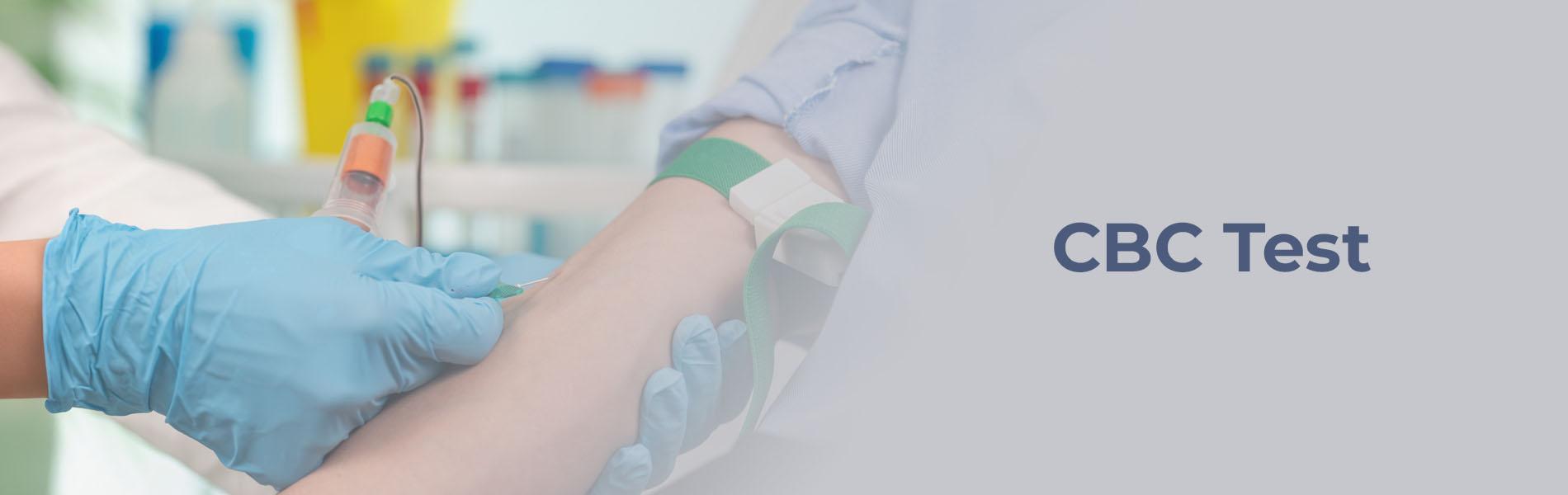
An advantage of a CBC test is that very little preparation is needed. The test can be done in just a few minutes. A phlebotomist will collect a small blood sample from a vein in the arm and send it to the laboratory for testing. Here are a few tips:
- Choose clothes with sleeves that can be rolled up easily.
- Stay hydrated before your appointment.
- Inform your doctor about any medications or supplements you're taking before the test.
- If the CBC test is combined with other blood tests that require fasting, please follow the fasting instructions.
What Happens If Your CBC Results Are Abnormal?
An abnormal CBC test result is not always a cause for concern. Factors like infections, dehydration, medications, pregnancy, or exercising too hard can temporarily alter the number of blood cells in your body. Your doctor can advise you of more tests based on your results or repeat the test. The treatment will depend on the underlying cause. Always get your results interpreted by a qualified healthcare practitioner. 6
Bottom Line
Chronic fatigue should not just be brushed off as being busy and tired all the time. Feeling constantly exhausted could also be a sign of an underlying health condition. A CBC test is a basic, fast, inexpensive, and easily available blood test which gives helpful information about your health. It is used as an initial step for identifying conditions such as anemia, infections, inflammation, or blood disorders.
If you've been dealing with unexplained weakness, ongoing tiredness, or other symptoms, talk to your doctor and get a CBC test done from LifeCell diagnostics. Early assessment is the key to prompt diagnosis and treatment.
FAQs
Why do I feel tired all the time but blood tests are normal?
Normal CBC test results don't rule out all causes of fatigue. Further investigation is required with sleep disorders, thyroid issues, stress, anxiety, vitamin deficiencies, or chronic illness. 7
What are 5 things the CBC test can show signs of?
The CBC test is useful for identifying anemia, infections, inflammation, blood clotting disorders, and blood cancers or bone marrow conditions. Advanced tests are also required for a confirmed diagnosis. 1
Can anxiety affect CBC test results?
CBC test results are quite the same with anxiety. But acute stress can increase white blood cell counts temporarily. 8
Am I healthy if my CBC test levels are normal?
If you have chronic health conditions like diabetes and your CBC test results are normal, you might require further tests. 7
How to read a CBC test result?
CBC test report contains red blood cells, white blood cells, platelets, hemoglobin, and various blood indices. It is always important to analyze your results with a doctor for correct interpretation. 1
Who Should Get a CBC Test?
CBC tests are done for those who are fatigued, weak, have frequent infections, or complain of other symptoms. It is also added in normal routine health screening and pre-operative work up. 3
References
+
Related Posts



Related Products
Are You Family Expecting A Baby?
I authorise LifeCell International Pvt.Ltd & its representatives to contact me with updates and notifications via Email/SMS/WhatsApp/Call. This will override DND/NDNC.
