

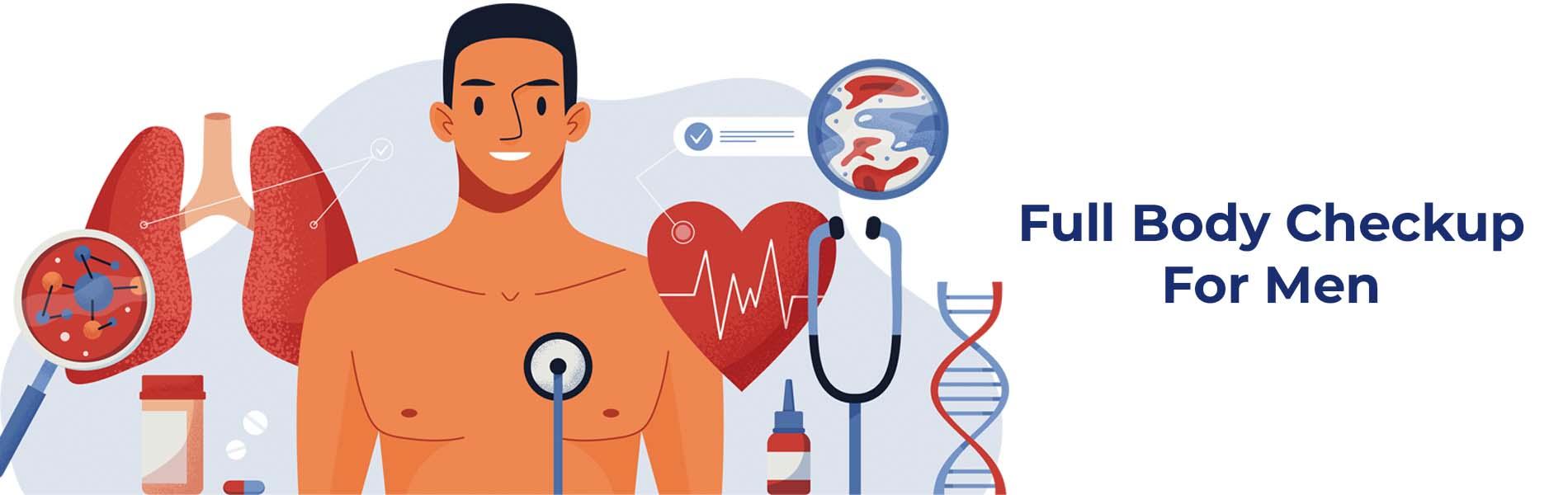
Full Body Checkup for Men: Tests Every Man Needs
Dear Men, when was the last time you had a health checkup? If your answer is, "I'll get one when I don't feel well," you're not alone. But a full body checkup is not meant only for times when you're sick. It is one of the most important steps you can take to stay healthy. Many conditions such as diabetes, high blood pressure, high cholesterol, and heart disease often develop quietly without noticeable symptoms.
A regular health checkup helps detect these problems early, giving you the opportunity to manage them before they become serious. In this blog, we'll explore the tests included in a full body checkup for men and explain why they play an important role in protecting your long-term health.
Key Takeaways
- A full body checkup helps detect health problems before symptoms appear.
- Men should start regular health checkups from their mid-30s.
- Annual health screenings become more important after the age of 50.
- Blood pressure, heart rate, BMI, and physical exams provide a quick overview of your health.
- Blood tests can identify diabetes, high cholesterol, liver and kidney disorders, and certain infections.
- Prostate screening helps detect prostate cancer at an early stage in eligible men.
- Regular testicular examinations can help identify abnormalities early.
- Colon cancer screening is recommended from the age of 45 for most men.
- Your age, lifestyle, family history, and existing health conditions determine how often you need a checkup.
- Regular preventive health checkups help you stay healthy and reduce the risk of serious diseases through early detection.
Why Should Every Man Get a Full Body Checkup?
If you are relatively healthy, it is best to start having regular health examinations at about mid-30s. During the period between the age of 35 to 50, there may not be a need for a complete health examination once in a couple of years, unless your doctor advises otherwise.
After the age of 50, yearly health examinations will become necessary. With increasing age, the chances of contracting diseases like heart ailments, diabetes, colorectal cancer, prostate issues and reduced levels of testosterone hormones increase. Health screenings could help in identifying these diseases at an early stage.
Remember, these are just general guidelines. In cases where you have a history of chronic illnesses, medical problems, you are a smoker, or overweight and live a couch potato type of life, you may be advised by your physician to undergo regular health screenings.1
What Does a Full Body Checkup for Men Include?
Typically, a complete body checkup starts with a physical exam. While many of these tests apply to all individuals, there may be other tests that will be suggested for you depending on your age, habits, medical history, and general wellbeing.
Below are some of the basic medical examinations that will take place:
Blood Pressure: High blood pressure is a silent killer which means that it does not present any symptoms; however, it raises the risk of developing heart problems, strokes, and renal failure.
Heart Rate: A measurement of your pulse can help assess whether your heart is working properly. If you have an irregular heart rate, further testing might be required.
Body Temperature: This test is easy yet important for diagnosing any diseases.
Heart and Lung Exam: Your physician will use a stethoscope to listen to the condition of your heart and lungs to find out any abnormal heart rhythms, murmurs, or breathing sounds.
Eye Exam: While eyes can be a window to one’s soul, an examination of your eyes will give your physician more information about your overall well-being as some disorders manifest themselves through the eyes.
Ear Exam: The test is done in order to identify any infection of the ear or excessive wax accumulation.
Height, Weight, and Body Mass Index (BMI): These indicators will help to determine whether you have a healthy body weight. Being overweight or obese means that there is a higher chance that you will develop heart disease, diabetes, or cancer.
Blood Test
Blood test is an integral component of the routine medical checkup, though in some cases, it can also be done on a different day especially when fasting is required.
It is through these tests that doctors get to know about any risk factors concerning heart disease, diabetes, and others by testing cholesterol levels and blood sugar among other things in your body.
There will also be a test for any infections such as HIV and hepatitis C depending on your risk factor.
Prostate Health Screening
The prostate is a tiny gland in the reproductive organs of males, and the risk of developing prostate cancer increases with age. Because of the absence of symptoms in many cases of early-stage prostate cancer, it is essential to screen regularly.
Most men will start to talk about screening options between the ages of 50 and 55 years, depending on various factors, and go on to around 75 years old.
Some popular screening procedures include:
Prostate-Specific Antigen (PSA) Test: A blood test to determine the level of PSA in your body. If you have higher PSA levels, further tests might be required, but not necessarily since PSA levels can be elevated for other reasons than cancer.1
Examination of the Testicles
Testicular cancer is the most prevalent type of cancer among men aged between 15 and 35, making regular checks very necessary during this period.
In an exam conducted by your doctor, he or she will look out for any lumps or swelling in the testicles that need further attention. It is worth noting that if testicular cancer is caught early enough, it is very easy to cure and can be done so with great success.
Another thing is to conduct self-exams on a regular basis to familiarize yourself with what is normal.
Digital Rectal Exam (DRE): In some cases, a doctor will perform a prostate examination by using a lubricated finger inserted through your anus. This procedure is not recommended as a prostate cancer screening test anymore due to a lack of evidence.
Colon Cancer Testing
Testing for colon cancer is an integral part of preventive health care and usually advised after age 45 for people with an average risk of cancer. In case you have a family history of colorectal cancer or particular diseases, your doctor may advise testing at an earlier age.
Men's Full Body Checkup Package from LifeCell Diagnostics
At LifeCell Diagnostics, we firmly believe that early detection forms the basis of good health. The Men's Full Body Checkup package has been meticulously developed by us in order to diagnose the level of your general well-being through a variety of medical tests.
No matter whether you wish to undergo a regular body evaluation process or want to check the age-related risks on your health, our health checkup packages provide you with the following facilities:
- Comprehensive blood testing
- Diabetes & cholesterol test
- Liver & kidney test
- Heart test
- Thyroid profile test
- Mineral & vitamin deficiencies testing
- Expert consultancy (if required)
- Accurate result
Final thoughts
A full body checkup is more than just a routine health assessment—it's a proactive step toward preventing disease and maintaining overall well-being. Many serious conditions, including diabetes, high blood pressure, heart disease, and certain cancers, can develop silently without obvious symptoms. Regular screenings help detect these conditions early, when they are easier to manage and treat.
No matter your age, making preventive health checkups a part of your routine can help you stay informed about your health, reduce your risk of complications, and enjoy a healthier, more active life. Remember, prevention is always better than cure.
FAQs
1. What is included in a full body checkup for men?
A full body checkup for men typically includes blood tests, blood pressure measurement, blood sugar and cholesterol screening, liver and kidney function tests, heart health assessment, thyroid function tests, urine analysis, and other tests based on your age, medical history, and risk factors. Your doctor may also recommend prostate or colorectal cancer screening when appropriate.
2. At what age should men start getting regular health checkups?
Healthy men can consider starting routine health checkups in their mid-30s. Between the ages of 35 and 50, your doctor may recommend screenings every one to two years. After the age of 50, an annual health checkup is generally advised, although screening frequency depends on your overall health and individual risk factors.
3. How often should men undergo a full body checkup?
For most healthy adults, a full body checkup every one to two years may be sufficient. However, if you have diabetes, hypertension, obesity, a family history of chronic diseases, or other health concerns, your doctor may recommend annual or more frequent screenings.
4. Do I need to fast before a full body checkup?
Some blood tests, such as fasting blood sugar and certain lipid profile tests, may require fasting for 8–12 hours. Your diagnostic center will provide instructions beforehand if fasting is necessary.
References
+
Related Posts



Related Products
Are You Family Expecting A Baby?
I authorise LifeCell International Pvt.Ltd & its representatives to contact me with updates and notifications via Email/SMS/WhatsApp/Call. This will override DND/NDNC.
