

Liquid Biopsy: A Simple Blood Test For Early Cancer Detection
Detecting a disease and treating it early is often the key to better outcomes. And when it comes to cancer, early detection can make all the difference. Traditionally, doctors relied on tissue biopsies, which can be invasive and sometimes uncomfortable. Today, a newer approach called liquid biopsy allows doctors to detect cancer and monitor treatment using just a small blood sample. It’s safer, faster, and less invasive, while still providing valuable insights for patient care. 1
Want to learn about this procedure and its role in detecting cancer on time? Read the full blog to get more insights on this topic.
Key Takeaways
- A liquid biopsy is a simple blood test that detects cancer cells or DNA.
- It’s safer and less invasive than traditional biopsies.
- Helps in the early detection and monitoring of cancer.
- Can identify genetic mutations to guide targeted treatments.
- FDA-approved tests like CellSearch®, Guardant360®, and FoundationOne® are reliable.
- OncoLife 52 Gene Panel by LifeCell Diagnostics helps doctors plan personalised treatment for men and women.
What Is A Liquid Biopsy?
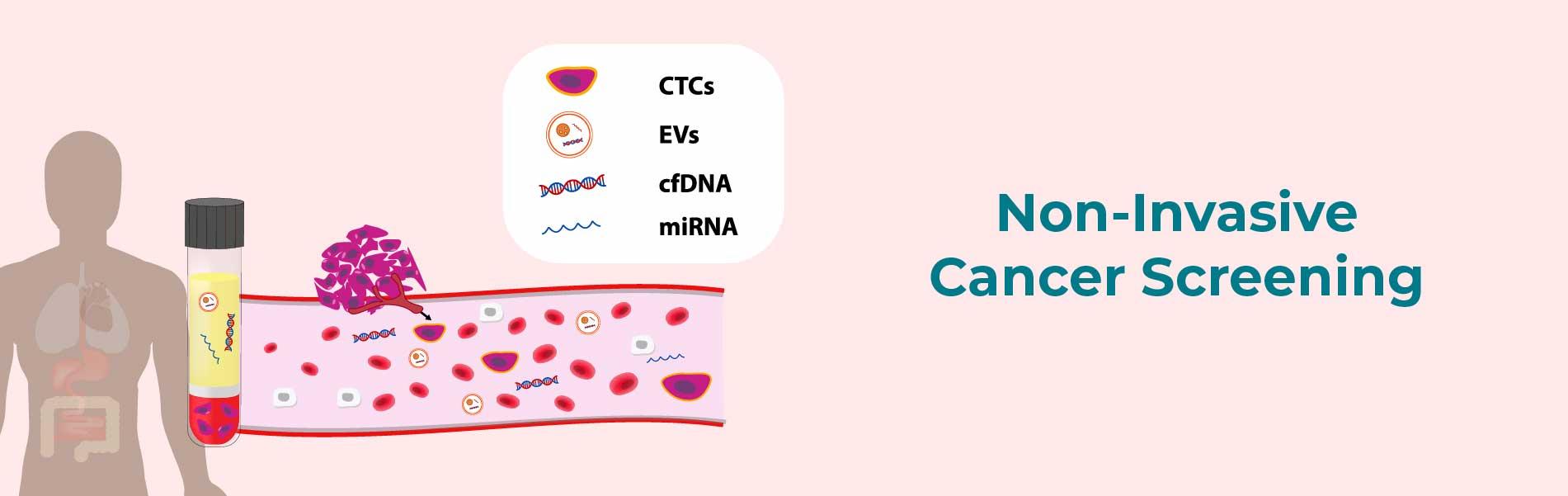
A liquid biopsy is a blood test that can detect cancer in your body. When tumours grow, tiny pieces break off and travel through your bloodstream. This test can spot those pieces, such as: 2, 3
- Circulating Tumour Cells (CTCs): Actual cancer cells from the tumour moving in your blood. 4
Circulating Tumour DNA (ctDNA): Small DNA pieces released by tumour cells into your bloodstream. DNA holds the genetic blueprint that controls how cells function.
Finding CTCs and ctDNA indicates cancer is present. These tumour fragments also provide doctors with valuable genetic information to select the most effective treatments tailored to your specific cancer.
How Is A Liquid Biopsy Different From A Biopsy?
A liquid biopsy works differently from a traditional biopsy. It doesn't test tumour tissue directly. Instead, it looks for signs that a tumour exists. 5
During a traditional biopsy, your doctor removes a tissue sample from the tumour and examines the cells in a lab to confirm cancer. A liquid biopsy, however, searches for tumour markers like cancer cells and tumour DNA circulating in your blood.
Doctors consider traditional biopsies the "gold standard" for diagnosing cancer. They remain the most reliable method available. Whereas liquid biopsies have limitations. Even if you have a tumour, a single blood sample may not always detect it. However, when a liquid biopsy does find cancer, it gives your doctor valuable information about the cancer cells. This helps them create a more targeted treatment plan for you.
When Is A Liquid Biopsy Performed?
Your doctor may suggest a liquid biopsy if you have advanced cancer that has spread to other parts of your body (metastatic cancer) and your current treatments aren't working. As cancer spreads, pieces of the tumour break off and travel through your bloodstream.
Your doctor may order a liquid biopsy to:
1. Check Your Prognosis:
Liquid biopsies can find cancer cells in your blood. Fewer cancer cells usually mean better outcomes, while more cells suggest a worse prognosis. Your doctor can repeat these tests regularly to track how you're doing and change treatments if needed.
2. Guide Treatment Choices:
Liquid biopsies can show whether specific targeted therapies will work for you. Targeted therapies are treatments designed to attack certain types of cancer cells. For example, if your cancer cells have a specific genetic error, a targeted therapy can zero in on that error. A liquid biopsy can spot these errors, helping your doctor prescribe the right treatment for your specific cancer.
You may also get a liquid biopsy if a traditional biopsy isn't possible. Traditional biopsies are more invasive procedures. You might not feel strong enough to undergo one. Or, your tumour might be in a location that's hard to reach without risking damage to nearby organs.
1. What Liquid Biopsy Tests Are FDA-Approved?
FDA-approved tests go through extensive research, ensuring that they are safe and reliable. While many liquid biopsy tests are still being studied, four tests are already approved by the FDA and used in clinical care.
2. CellSearch® Circulating Tumour Cell (CTC) Test
This test looks for cancer cells circulating in the blood. It is used in advanced breast, prostate, and colorectal cancers to help doctors understand how the disease may progress. Fewer cancer cells mean a better outlook, while higher numbers may indicate a more serious condition.
3. cobas® EGFR Mutation Test v2
This test checks for specific genetic changes in the blood that are commonly seen in non-small cell lung cancer. The results help doctors to decide which treatments are most likely to work for the patient.
4. Guardant360® CDx
This blood test looks for genetic changes linked to cancer. It helps doctors choose treatments that are better suited to the patient’s cancer type.
5. FoundationOne® Liquid CDx
This test examines genetic changes across different cancers using a blood sample. It provides information that can help doctors plan more personalised treatment options.
How Does A Liquid Biopsy Test Work?
As we have mentioned, it’s a simple blood test procedure. So, when you go for a liquid biopsy, your healthcare provider collects a blood sample and sends it to a laboratory for analysis.
In the lab, they process the blood and separate blood cells from plasma, which is the liquid part of the blood. A trained specialist then examines the plasma to check for circulating tumour cells (CTCs) or circulating tumour DNA (ctDNA), which may indicate the presence of disease.
Is Liquid Biopsy Painful?
A liquid biopsy is similar to a regular blood test. You may feel a small prick when the needle goes into your arm, but any discomfort usually fades quickly. One of the biggest benefits of a liquid biopsy is that it is far less invasive and much less painful than a traditional biopsy.
What Do The Results Mean?
Test results show whether cancer cells (CTCs) or cancer-related DNA (ctDNA) are present in your blood. If the result is positive, the test can help your doctor understand the type of cancer you may have.
Tests that look for ctDNA can also detect specific genetic changes linked to certain cancers, helping doctors plan the most suitable treatment.
How Accurate Is A Liquid Biopsy?
FDA-approved liquid biopsy tests are proven to work as intended. Tests that look for circulating tumour cells (CTCs) help doctors monitor your condition and understand how the disease may progress. Tests that detect circulating tumour DNA (ctDNA) can identify genetic changes in cancer cells, helping doctors choose the most effective treatment options.
However, liquid biopsies are not always enough to diagnose cancer on their own. In most cases, a traditional biopsy is still required to confirm a cancer diagnosis.
Conclusion
Detecting cancer early can make a big difference in treatment and outcomes. Liquid biopsy is a simple blood test that helps doctors detect and monitor cancer in a safe, less invasive way. While it doesn’t replace a traditional tissue biopsy, it gives doctors valuable insights into the cancer’s behaviour and what treatments might work best.
For those looking for advanced testing, OncoLife – Liquid Biopsy 52 Gene Panel by LifeCell Diagnostics checks 52 genes for specific mutations, helping doctors plan the most effective, personalised treatment. It’s suitable for both men and women and provides detailed information that can guide smarter decisions about your care. With this test, your doctor gets a clearer picture, so you get the right treatment at the right time.
References
+
Related Posts
Related Products
Are You Family Expecting A Baby?
I authorise LifeCell International Pvt.Ltd & its representatives to contact me with updates and notifications via Email/SMS/WhatsApp/Call. This will override DND/NDNC.
