

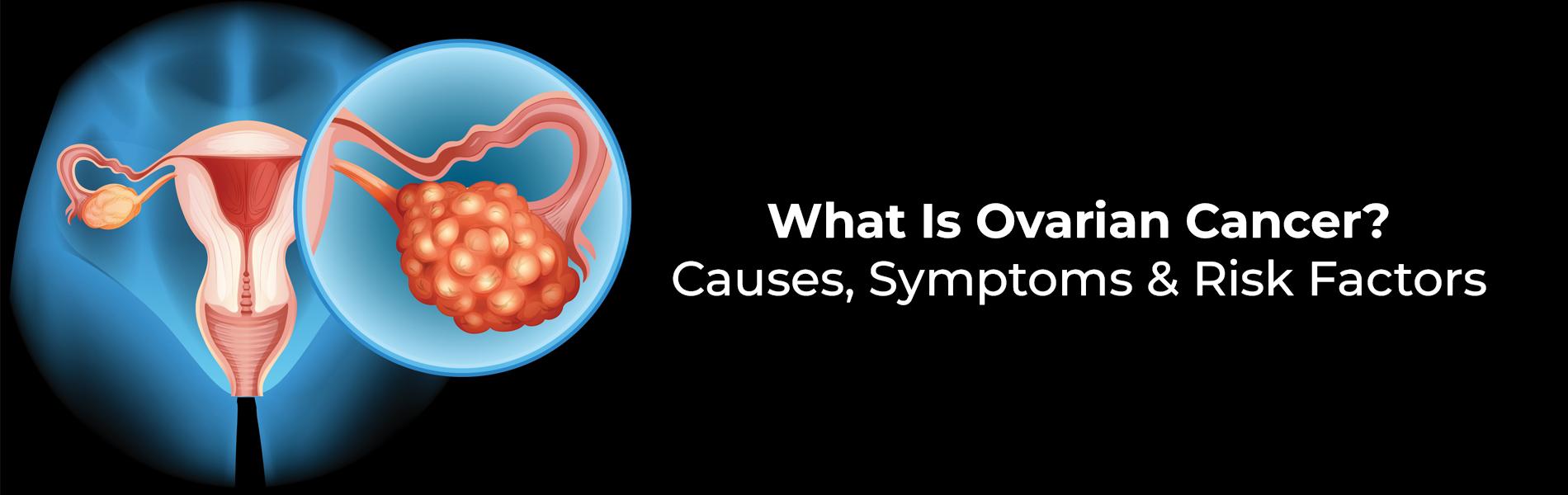
What Is Ovarian Cancer? Causes, Symptoms & Risk Factors
As a woman, you might expect ovarian cancer symptoms to be quite obvious. But did you know that this particular cancer (like a few others) doesn't always work that way?
Ovarian cancer can silently progress over time. In the initial stages, it may cause symptoms like bloating, pelvic discomfort, appetite changes, or frequent urination. Quite obviously, these problems can easily be mistaken for ordinary indigestion or hormonal issues.
So the real problem here isn't that the condition is completely asymptomatic. Instead, its symptoms are pretty easy to ignore or brush off. That's why awareness in matters like these can really pay off.
Understanding the signs & risk factors of ovarian cancer can help women seek medical advice at an early stage, improving the chances of early diagnosis. Which is exactly what we’ll be uncovering in this blog. So keep reading!
Summary
- Ovarian cancer begins in the ovaries and often develops with subtle, easily overlooked symptoms.
- Common warning signs include persistent bloating, pelvic pain, feeling full quickly, frequent urination, and unexplained fatigue.
- The exact cause is unknown, but genetic mutations, age, and family history play important roles.
- Women with BRCA1/BRCA2 mutations, a family history of ovarian or breast cancer, endometriosis, or obesity may have a higher risk.
- Diagnosis may involve pelvic exams, imaging tests, blood tests, and a biopsy.
- Early detection can significantly improve treatment outcomes and survival rates.
- Persistent symptoms that last for several weeks should not be ignored.
What Is Ovarian Cancer?
Ovarian cancer occurs when abnormal cells in the ovaries grow uncontrollably and form a tumor. The ovaries are two small reproductive organs located on either side of the uterus. They produce eggs and female hormones such as estrogen and progesterone.1, 2
There are different types of ovarian cancer, but most begin in the epithelial cells that cover the outer surface of the ovaries. If left untreated, the cancer cells can spread to nearby organs and other parts of the body.
Common Symptoms of Ovarian Cancer
Ovarian cancer in its early stage may not cause noticeable symptoms. But when they do, they would manifest in the form of:
- Persistent bloating or abdominal swelling
- Pelvic or abdominal pain
- Feeling full quickly while eating
- Loss of appetite
- Frequent or urgent urination
- Unexplained weight loss
- Fatigue
- Changes in bowel habits, such as constipation
- Back pain
- Irregular menstrual cycles in some women
What Causes Ovarian Cancer?
The exact cause of ovarian cancer is not fully understood. It develops when genetic changes (mutations) occur in ovarian cells, causing them to proliferate abnormally and evade normal cell death.
Some mutations occur naturally over time, while others may be inherited from parents. Certain inherited gene mutations, particularly BRCA1 and BRCA2, are strongly linked to ovarian cancer.
Researchers believe that a combination of genetic, hormonal, and environmental factors contributes to its development.
Major Risk Factors for Ovarian Cancer
The following are the risk factors of developing ovarian cancer:1, 2
1. Increasing Age
The risk rises with age, particularly after menopause. Most cases are diagnosed in women over 50.
2. Family History
Having a mother, sister, or daughter with ovarian cancer can increase your risk.
3. Inherited Gene Mutations
Mutations in BRCA1, BRCA2, and certain other genes significantly raise ovarian cancer risk.
4. Personal History of Cancer
Women who have had breast, uterine, or colorectal cancer in the past may have a higher risk of getting ovarian cancer.
5. Endometriosis
Endometriosis is a condition in which tissue similar to the uterine lining grows outside the uterus. And it has been associated with certain ovarian cancers.
6. Obesity
Excess body weight has been linked to an increased risk of several cancers, including ovarian cancer.
7. Never Being Pregnant
Women who have never carried a pregnancy to term may have a slightly higher risk compared to those who have.
How Is Ovarian Cancer Diagnosed?
Diagnosing ovarian cancer usually involves a combination of tests. These include:1, 2
1. Medical History and Physical Examination
A doctor will review symptoms, family history, and perform a pelvic examination.
2. Imaging Tests
Ultrasound is often the first imaging test used to examine the ovaries. CT scans or MRI scans may also be recommended.
3. Blood Tests
The CA-125 blood test measures a protein that may be elevated in some women with ovarian cancer. However, it is not used alone to confirm a diagnosis.
4. Biopsy
A biopsy, where tissue is examined under a microscope, is the only way to definitively diagnose ovarian cancer.
Stages of Ovarian Cancer
Doctors classify ovarian cancer into stages based on how far it has spread. These include:2
Stage I
Cancer is confined to one or both ovaries.
Stage II
Cancer has spread to nearby pelvic organs.
Stage III
Cancer has spread outside the pelvis to the abdominal lining or nearby lymph nodes.
Stage IV
Cancer has spread to distant organs such as the liver or lungs.
When Should You See a Doctor?
You should consult a healthcare professional if you experience signs like:1, 2
- Persistent bloating
- Ongoing pelvic or abdominal pain
- Difficulty eating or feeling full quickly
- Frequent urinary symptoms
- Unexplained weight loss
Importance of Early Detection
Ovarian cancer is more treatable when diagnosed at an early stage.3 Being aware of symptoms, understanding your family history, and discussing risk factors with your doctor can help identify potential concerns sooner.
Also, women who have a strong family history of ovarian or breast cancer may benefit from genetic counseling and risk assessment through genetic testing. For the same, you can consider LifeCell’s BRCA1 & BRCA2 gene analysis ONCO panel. It can help your doctor diagnose germline mutations that increase your ovarian (and breast) cancer risk.
Conclusion
Ovarian cancer is a serious condition that often develops without obvious early warning signs. Persistent bloating, pelvic pain, changes in appetite, and urinary symptoms should never be dismissed if they continue over time.
Understanding the causes, symptoms, and risk factors can help women make informed health decisions and seek medical advice promptly. Early diagnosis remains one of the most important factors in improving treatment success and long-term outcomes.
FAQs
1. How Do You Detect Ovarian Cancer Early?
There is no routine screening test for women at average risk. Early detection depends largely on recognising persistent symptoms, getting regular medical check-ups, imaging tests, and evaluation of family history or genetic risk factors.
2. What Is The Cause Of Ovarian Cancer?
The exact cause is unknown. Ovarian cancer develops when genetic mutations cause ovarian cells to grow uncontrollably. Both inherited and acquired genetic changes can contribute to the risk.
3. What Are The Effects Of Ovarian Cancer?
Ovarian cancer can cause abdominal bloating, pelvic pain, fatigue, appetite loss, urinary symptoms, and weight changes. Advanced disease may spread to other organs and affect overall health.
4. Who Has A High Risk Of Ovarian Cancer?
Women over 50, those with BRCA1 or BRCA2 gene mutations, a family history of ovarian or breast cancer, endometriosis, obesity, or a personal history of certain cancers are considered at higher risk of developing ovarian cancer.
References
+
Related Posts



Related Products
Are You/Anyone In Your Family Expecting A Baby?
