


Hepatitis A, B, C, D & E: Symptoms, Causes and Key Differences
Did you know that viral hepatitis claims over a million lives worldwide each year, yet many people don't realise they have it until the disease has already damaged the liver? That's because hepatitis often develops silently, with symptoms that can be mild or mistaken for a common illness.
Adding to the confusion, Hepatitis A, B, C, D and E are all caused by different viruses, spread in different ways and carry different health risks. Understanding these differences is essential for early diagnosis and timely treatment. This comprehensive blog breaks down the symptoms, causes, and key differences between each type to help you protect your liver health.
So, let’s begin.
What Is Hepatitis?
Viral hepatitis is an infection caused by different hepatitis viruses that affects the liver. It leads to inflammation, making it harder for the liver to perform its essential functions. Some types of viral hepatitis are acute, meaning they last for a few weeks or months and usually resolve on their own. Others can become chronic, staying in the body for years and increasing the risk of serious liver damage if left untreated. 1
What Are The Causes?
The infection spreads after exposure to hepatitis viruses, most commonly through contaminated food or water, infected blood, or certain body fluids, depending on the type of virus. One of the biggest challenges is that many people don't experience symptoms in the early stages, which means they can unknowingly spread the infection. Early diagnosis and timely treatment are key to preventing long-term liver complications. 1
Types of Viral Hepatitis
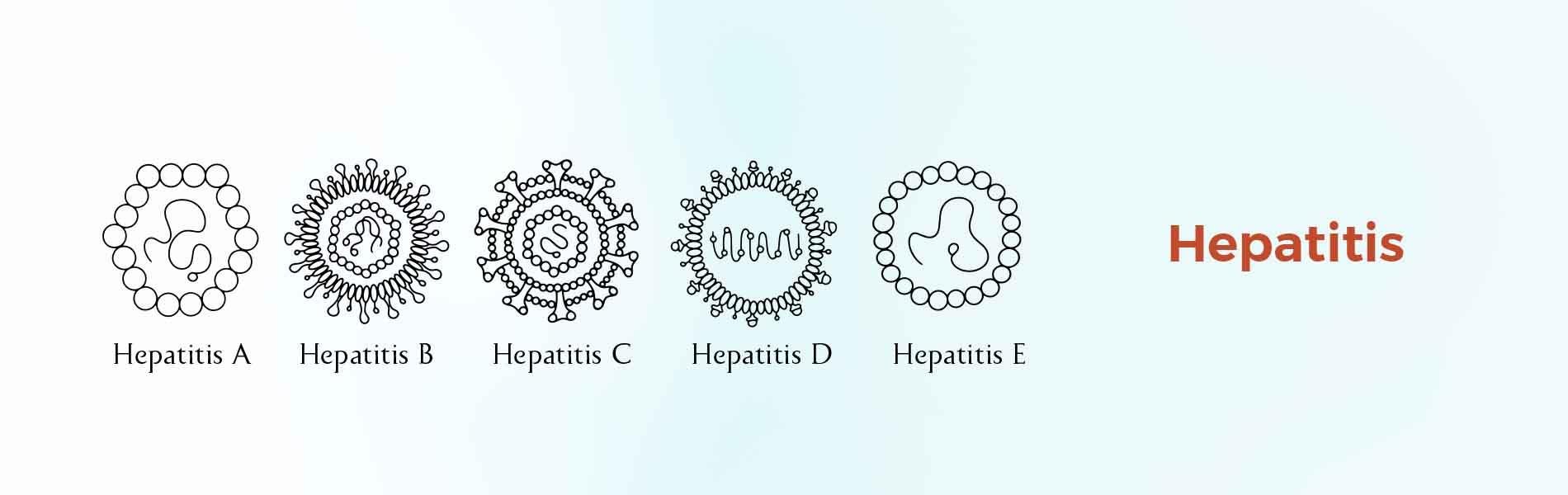
There are five main types of viral hepatitis, each caused by a different virus. While they all affect the liver, they differ in how they spread, the severity of the infection and whether they can become long-term illnesses. 1 2
Hepatitis A (HAV): Hepatitis A is caused by the hepatitis A virus (HAV) and usually leads to a short-term (acute) liver infection. It is one of the most common types of acute viral hepatitis worldwide. Most people recover completely within a few weeks or months without any long-term liver damage.
Once you've had hepatitis A, your body develops immunity, which means you're unlikely to get infected again. However, in some cases, symptoms may return for a short time after recovery before resolving completely. 1 2
Hepatitis B (HBV): Hepatitis B is caused by the hepatitis B virus (HBV) and can lead to both short-term (acute) and long-term (chronic) liver infections. While many people recover from an acute infection, some develop chronic hepatitis B, where the virus remains in the body for years.
People with chronic hepatitis B may experience flare-ups, where the virus becomes more active and causes increased liver inflammation. These flare-ups can happen during certain treatments, due to changes in the immune system, or sometimes without any clear reason. Although there is currently no complete cure for chronic hepatitis B, it can be effectively managed with regular monitoring and appropriate antiviral treatment, helping reduce the risk of serious liver complications. 1 2
Hepatitis C (HCV): Hepatitis C is caused by the hepatitis C virus (HCV) and can result in both acute (short-term) and chronic (long-term) liver infections. In many cases, the infection becomes chronic because it often causes no noticeable symptoms in its early stages. As a result, many people may have hepatitis C without even knowing it.
The good news is that modern antiviral medicines can cure most cases of hepatitis C. However, recovering from the infection does not provide lifelong immunity, so it is still possible to get infected again if exposed to the virus. 1 2
Hepatitis D (HDV): Hepatitis D is caused by the hepatitis D virus (HDV), but it can only infect people who already have hepatitis B. This is because the hepatitis D virus depends on the hepatitis B virus to survive and multiply. It is considered one of the most severe forms of viral hepatitis and can cause serious liver damage.
A person can get hepatitis B and hepatitis D at the same time (called a coinfection), or hepatitis D can develop later in someone who already has chronic hepatitis B (called a superinfection). Most hepatitis D infections are short-term, although some can become chronic. Getting vaccinated against hepatitis B also protects you from hepatitis D. 1 2
Hepatitis E (HEV): Hepatitis E is caused by the hepatitis E virus (HEV) and usually leads to a short-term (acute) liver infection. It is one of the most common causes of acute viral hepatitis worldwide and is often spread through contaminated water. Most people recover completely without treatment and develop immunity that may last for several years.
In rare cases, hepatitis E can become chronic, mainly in people with weakened immune systems or those who have had an organ transplant. With proper medical care, chronic hepatitis E can often be successfully treated. 1 2
Common Symptoms of Viral Hepatitis
The symptoms of viral hepatitis can vary depending on the type of infection. In many cases, especially during the early stages, some people may not experience any symptoms at all. When symptoms do appear, they commonly include: 1
- Feeling unusually tired or weak (fatigue)
- Fever
- Loss of appetite
- Nausea or vomiting
- Pain or discomfort in the upper right side of the abdomen
- Joint pain
- Dark-coloured urine
- Pale or clay-coloured stools
- Yellowing of the skin and the whites of the eyes (jaundice)
If you notice any of these symptoms, especially jaundice or persistent fatigue, it's important to consult a doctor.
Hepatitis A vs B vs C vs D vs E
| Feature | Hepatitis A (HAV) | Hepatitis B (HBV) | Hepatitis C (HCV) | Hepatitis D (HDV) | Hepatitis E (HEV) |
| Cause | Hepatitis A virus | Hepatitis B virus | Hepatitis C virus | Hepatitis D virus | Hepatitis E virus |
| How it spreads |
Contaminated food and water |
Infected blood, body fluids, unprotected sex, and mother to baby | Mainly through infected blood | Only in people already infected with Hepatitis B | Contaminated water and food |
| Type of infection | Acute (short-term) | Acute or chronic | Acute or chronic | Acute or chronic | Usually acute |
| Can it become chronic? | No | Yes | Yes | Yes, in some cases Rarely (mainly in people with weakened immunity) |
|
|
Common symptoms |
Fever, fatigue, nausea, jaundice, abdominal pain | Fatigue, fever, loss of appetite, jaundice, abdominal pain | Often no symptoms initially: fatigue, jaundice, nausea | Similar to Hepatitis B but often more severe | Fever, nausea, jaundice, abdominal pain |
|
Long-term complications |
Usually none | Cirrhosis, liver failure, liver cancer | Cirrhosis, liver failure, liver cancer | Severe liver damage, cirrhosis, liver failure | Rare, but can be severe in people with weak immunity or during pregnancy |
|
Can it be cured? |
Usually resolves on its own | No complete cure, but it can be managed | Yes, with antiviral medicines |
No specific cure; managed by treating Hepatitis B | Usually resolves on its own; chronic cases can often be treated |
| Vaccine available? | Yes | Yes | No | No (prevented through Hepatitis B vaccination) | Vaccine available only in some countries; not widely available globally |
| Can you get it again? | Usually, no, as immunity develops after infection | Possible if not immune or vaccinated |
Yes, reinfection is possible after successful treatment |
Prevented by Hepatitis B immunity | Uncommon, as immunity usually develops after infection |
Who Is at Risk?
You may be at a higher risk of viral hepatitis if you: 1 2
- Drink contaminated water or eat contaminated food, especially while travelling to areas with poor sanitation (Hepatitis A and E)
- Have unprotected sex with someone who has hepatitis, particularly Hepatitis B
- Share needles, syringes or other equipment used for injecting drugs
- Come into contact with infected blood through unsafe medical procedures, blood transfusions (especially before routine screening), or accidental needle-stick injuries
- Live with or care for someone who has hepatitis
- Work in healthcare or emergency services where exposure to blood or body fluids is possible
- Have a weakened immune system or have received an organ transplant
- Are pregnant, as Hepatitis E can increase the risk of serious complications during pregnancy
- Were born to a mother infected with Hepatitis B
If you fall into any of these high-risk groups or think you may have been exposed to the virus, speak to your healthcare provider about getting tested. Early diagnosis can help prevent complications and reduce the risk of spreading the infection to others.
How Is Hepatitis Diagnosed?
To diagnose viral hepatitis, your doctor will begin by asking about your symptoms, medical history and any possible exposure to the virus. They will also perform a physical examination to check for signs of liver problems, such as jaundice or abdominal tenderness. 1 2
If hepatitis is suspected, your doctor may recommend one or more of the following tests:
- Blood tests: To detect hepatitis viruses, antibodies or viral proteins in the blood.
- Liver function tests (LFTs): To measure liver enzymes and assess how well your liver is functioning.
- Additional tests (if needed): In some cases, imaging tests such as an ultrasound or specialised blood tests may be recommended to evaluate the extent of liver damage.
Early diagnosis is important, as it helps determine the type of hepatitis and ensures timely treatment to reduce the risk of long-term liver complications.
When Should You Get Tested?
Early testing is important because viral hepatitis may not cause noticeable symptoms in its initial stages. You should consider getting tested if you: 1 2
- Have symptoms such as fatigue, jaundice, nausea, abdominal pain or dark-coloured urine
- Have been in close contact with someone diagnosed with viral hepatitis
- Have had unprotected sex with a person who has hepatitis
- Have shared needles, syringes or other drug-injection equipment
- Have been exposed to infected blood through a needle-stick injury or unsafe medical procedures
- Are pregnant, especially for routine Hepatitis B screening
- Have abnormal liver function test (LFT) results
- Belong to a high-risk group or have recently travelled to areas where hepatitis is common
Conclusion
Although Hepatitis A, B, C, D and E all affect the liver, they differ in how they spread, their severity and the risk of long-term complications. While some types resolve on their own, others can become chronic and silently damage the liver over time. That's why recognising the symptoms, understanding your risk factors and getting tested at the right time are essential for protecting your liver health.
If you have been exposed to the hepatitis virus, are experiencing symptoms, or have been diagnosed with chronic Hepatitis B, timely monitoring plays a crucial role in managing the condition. The LifeCell Diagnostics Hepatitis B (HBV) Quantitative Test measures the amount of hepatitis B virus (HBV DNA) in your blood, helping doctors assess viral activity, monitor disease progression and evaluate how well treatment is working. With accurate testing and expert medical guidance, you can take informed steps towards better liver health and long-term well-being.
References
+
Related Posts

Related Products
Are You Family Expecting A Baby?
I authorise LifeCell International Pvt.Ltd & its representatives to contact me with updates and notifications via Email/SMS/WhatsApp/Call. This will override DND/NDNC.
