

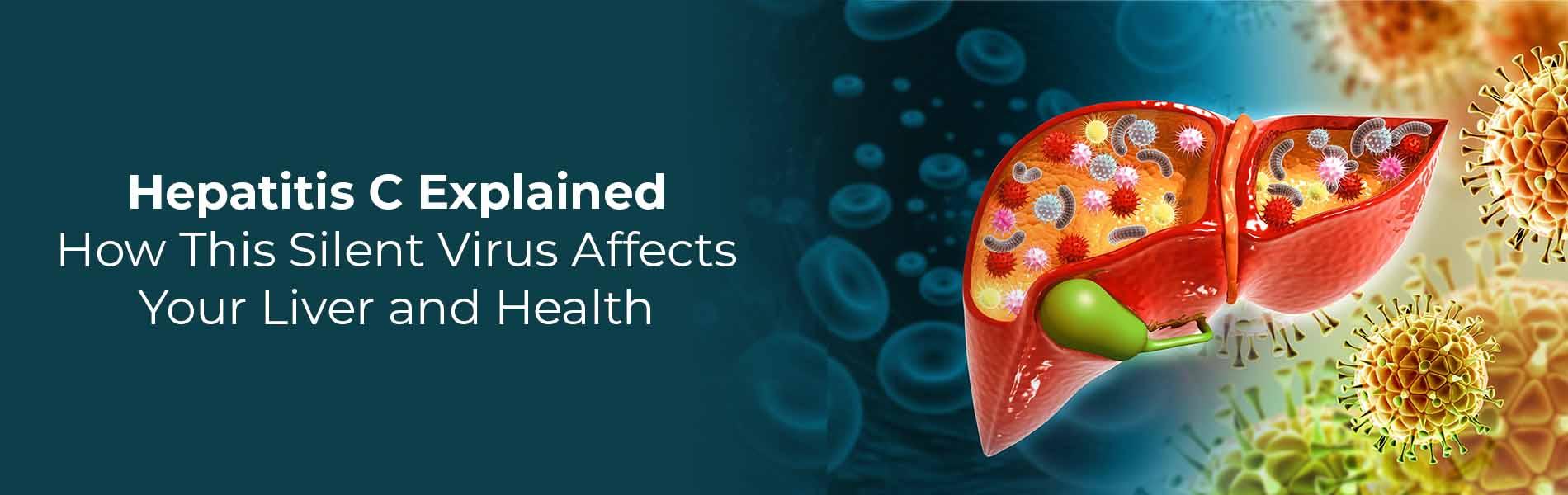
What Is Hepatitis C? Symptoms, Transmission, and Testing Explained
You might have come across someone you know who is affected by Hepatitis C. Common misconceptions of this infection are poor diet or an unhealthy lifestyle. But the fact is that this viral infection occurs when someone comes in contact with infected blood.
This infection primarily affects the liver and often goes undetected for years. It is also called the ‘Silent Epidemic’ for this reason. Often, infected individuals are unaware of their condition until the last stage, and then it’s too late to treat. According to the World Health Organisation (WHO), an estimated 50 million individuals are affected by Hepatitis C globally. And roughly 1 million are getting new infections every year. 1
If not diagnosed in time, Hepatitis C (Hep C) can lead to serious complications. In this blog, we will break down everything you need to know about this viral infection, including the symptoms, diagnosis, tests to be done, treatments and prevention.
What Is Hepatitis C?
Hepatitis C is caused by the Hepatitis C virus (HCV). These attack the liver cells, leading to inflammation and damage over time. This virus belongs to the RNA virus family and spreads mainly when a person comes in contact with blood infected with this virus.
Hepatitis C can be acute or chronic. People who contract Acute Hepatitis C become infected with this virus for a short period, typically lasting six months. Post that, most of the time, the infection naturally clears itself.
However, around 75% to 85% cases get chronic Hep C, typically lasting for years and progressively harming the liver. 2 Treatment gets tough but is possible. Untreated chronic Hepatitis C leads to liver cirrhosis (scarring of the liver), liver failure or even liver cancer. 3
Common Hepatitis C Symptoms

Hepatitis C often comes with no symptoms in the early stages and hence can go undetected until the last stage. Most individuals with this condition can live for years without getting any hints. When symptoms do appear, they include: 4
- Fatigue
- Loss of appetite
- Nausea and vomiting
- Jaundice
- Abdominal pain (especially in the upper right side)
- Dark urine and pale stools
- Joint pain
- Fever
These Hepatitis C symptoms may indicate various other diseases and are often mild initially. Only a proper test can help identify the condition with certainty.
How Does Hepatitis C Spread?
Hepatitis C is a blood-borne virus that can spread through several routes, such as: 5
- Using contaminated or previously used needles
- Undergoing tattoos or piercings with unsterile equipment
- Having unprotected sexual contact with an infected individual
- Can be passed from an infected mother to her baby.
Additionally, those who received blood transfusions before 1992 may also face a risk of infection, as screening for hepatitis C in donated blood was only introduced after that year. 6
Who Is at Risk of Hepatitis C?
Certain people are at a higher risk of contracting the Hep C virus because of their lifestyle or medical factors: 7
- Medical workers who are exposed to blood.
- People who inject drugs via needles.
- Individuals who have had a blood transfusion or an organ transplant before 1992.
- People who get tattoos or piercings done with non-sterile equipment.
- Babies born to HCV-positive mothers (Hepatitis C Virus-positive mothers)
- People with HIV
Early detection of this infection can significantly reduce the risk of this disease. Individuals with high risk should get themselves tested regularly.
How Is Hepatitis C Diagnosed?
Hepatitis C is diagnosed mainly through: 8
1. Antibody Test (Anti-HCV): Checks if your body has ever been exposed to the virus. A positive result doesn’t tell if the infection is current or past. Rapid tests are useful in community or non-clinic settings.
2. HCV RNA Test (PCR): Confirms if the virus is currently active in your blood. This test is especially important for:
- Recent exposure (within 6 months)
- People with weak immunity
- Suspected reinfection
Further Checks:
- Genotype testing: Helps decide the best treatment.
- Liver assessment: Imaging or biopsy to check liver damage if needed.
- Other tests: Liver function, blood counts, kidney function, HIV and hepatitis B screening, and evaluation for other liver issues.
- Additional checks: Screening for liver complications, alcohol/drug use, and mental health.
Early detection is important because Hepatitis C often has no symptoms initially, and timely treatment can prevent serious liver problems.
Why Early Detection of Hepatitis C Is Critical
Early detection of Hepatitis C is key to successful treatment. If caught early, the disease can be cured. Left untreated, it can quietly damage the liver over time, leading to serious problems such as cirrhosis, liver failure, liver cancer, brain-related complications, and the risk of passing the virus to others, while also increasing long-term healthcare costs. 9
In many countries, public health guidelines now recommend routine screening for adults aged 18–79, especially those at higher risk. 10
Hepatitis C Treatment Options
Hepatitis C can now be treated, thanks to advanced antiviral medications. The newer treatment options aim to prevent liver damage and eliminate the virus.11
- Antiviral Medications (DAAs)
Direct-Acting Antivirals (DAAs) are the antiviral medications with high effectiveness when taken correctly. The duration typically lasts around 12 weeks.
- Liver Transplantation (For Advanced Liver Disease)
Liver transplantation may be required in rare cases where the Hep C virus has caused severe cirrhosis or liver failure in the patient. DAAs will still be used before and after the transplant to treat the infection.
Prevention Tips to Avoid Hepatitis C
There is no vaccine for Hepatitis C, so prevention relies on avoiding activities that can spread the virus, such as: 12
- Sharing needles, syringes, or other drug equipment
- Unsafe practices in healthcare settings
- Sexual contact with an infected person
- Unregulated tattoos or body piercings
- Blood transfusions or organ transplants from an infected donor
When Should You See a Doctor?
Many people often miss getting tested for the Hepatitis C virus, as it comes with no symptoms initially. This silent infection shows its true colours only in the last stages, and often it is too late by then. That is why knowing when to see a doctor for a Hepatitis C diagnosis becomes very crucial, even if you feel absolutely fine.
You must see a doctor if you:
- Had ever injected drugs, even once or in the past
- Were exposed to blood through a needle stick injury
- Shared personal grooming tools
- Received blood transfusions or organ transplants before 1992
- Got a tattoo or piercing done from an unauthorised centre
- Were born to a mother with Hep C
- Have HIV or any other liver condition
- Have unexplained symptoms like chronic fatigue, loss of appetite, abdominal pain or yellowing of skin.
Conclusion
Don’t wait for visible symptoms to get yourself tested for Hep C, as this virus can silently damage your liver over time. A simple blood test can detect this infection early and help doctors treat it effectively. Today, if timely diagnosed, treatment is more effective than ever.
If you assume you might be at risk for the Hepatitis C virus, it is always better to get yourself tested. For accurate monitoring during and after treatment, consider LifeCell’s Hepatitis C Viral RNA (Quantitative) by PCR test - a sensitive test that measures exact viral load to ensure the virus is truly cleared.
FAQs
How did Hepatitis C start?
Hepatitis C is a liver infection caused by the Hepatitis C virus, mainly spread through infected blood. Common ways include shared needles, unsterilized tattoos or piercings, healthcare exposure, and from mother to baby at birth.
What is the main cause of Hepatitis C?
Hepatitis C is mainly caused by blood-to-blood contact with an infected person, such as sharing needles, unsafe medical equipment, or unscreened blood transfusions. It can also pass from mother to child during childbirth.
What are the first signs of Hepatitis C?
Early Hepatitis C often shows no symptoms, but some may experience fatigue, nausea, loss of appetite, flu-like feelings, or jaundice (yellowing of eyes and skin).
What happens if Hepatitis C is positive?
A positive Hepatitis C antibody test shows past exposure but doesn’t confirm an active infection. An HCV RNA test is needed to check if the virus is active, and if so, treatment may be recommended.
Is Hepatitis C painful?
Yes, Hepatitis C can cause pain, including abdominal, joint, and muscle pain, along with fatigue and flu-like symptoms. In advanced stages, it may lead to serious liver damage or complications like liver cancer.
References
+
Related Posts


Related Products
Are You Family Expecting A Baby?
I authorise LifeCell International Pvt.Ltd & its representatives to contact me with updates and notifications via Email/SMS/WhatsApp/Call. This will override DND/NDNC.
